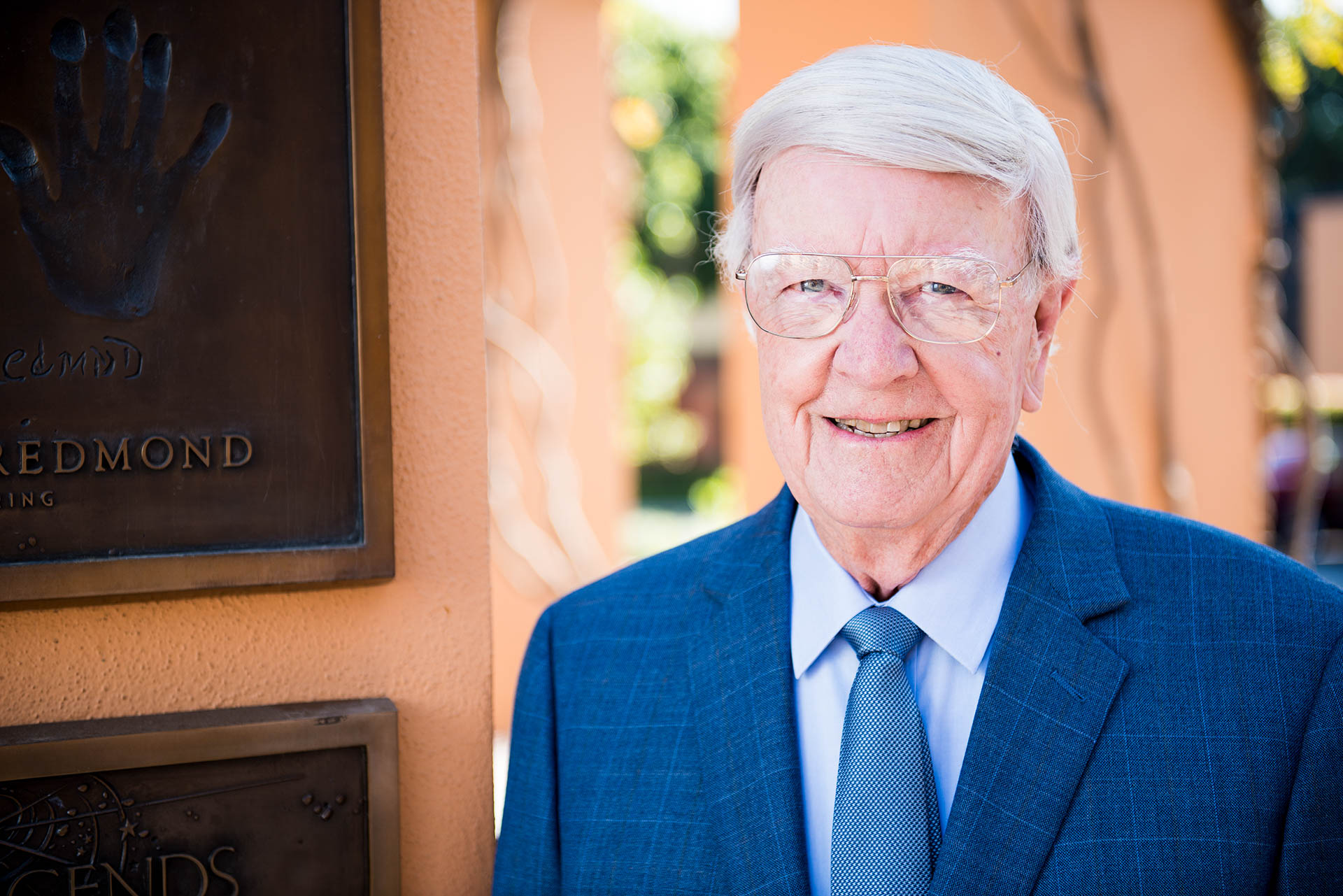
Disney Legend Donald “Don” Iwerks, whose technical innovations helped shape generations of Disney films and theme park attractions, died on July 9 at age 96.
Donald Iwerks Passes at 96
The Walt Disney Company announced Iwerks’ passing on July 10. Iwerks was born on July 24, 1929. He was the son of Disney Legend Ub Iwerks, the pioneering animator and technical innovator who worked closely with Walt Disney during the company’s formative years and played a fundamental role in the creation and early animation of Mickey Mouse.
In the official statement from The Walt Disney Company, Disney CEO Josh D’Amaro said of Iwerks:
“Don embodied that rare combination of heart, ingenuity, and passion that has always defined Disney. Through his innovative contributions to some of our most iconic films and attractions, he helped create experiences that have delighted generations of fans around the world. All of us at The Walt Disney Company will miss him deeply, and we send our most heartfelt condolences to his family, whose enduring connection to Disney has helped shape its legacy for over a century.”
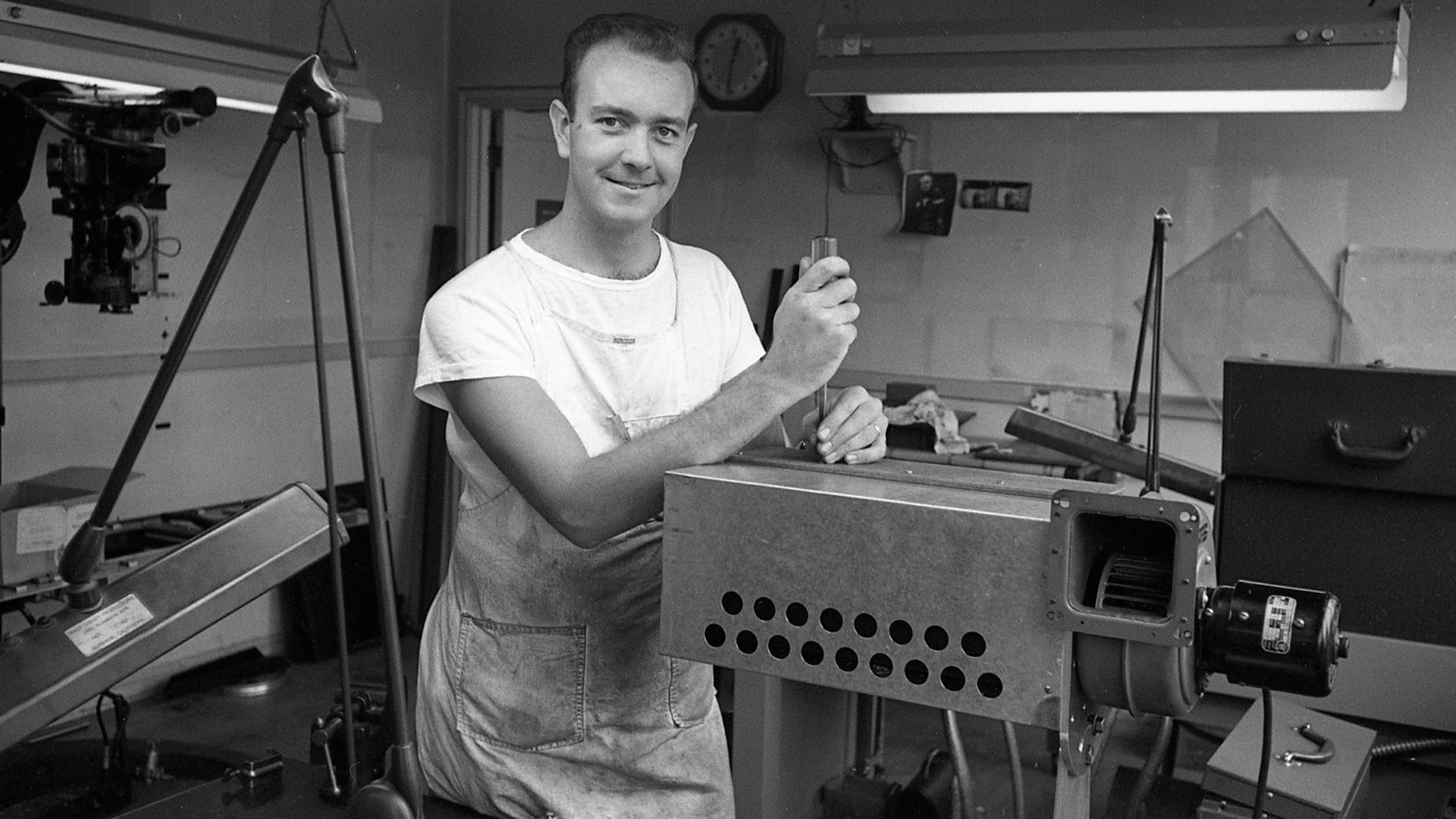
Following his father into the company, Don joined Walt Disney Productions in 1950 as a technician in the special photographic processes laboratory. His initial tenure was interrupted when he was drafted during the Korean War. After serving for two years with the U.S. Army Signal Photo Corps, he returned to Disney and resumed his career at the studio.
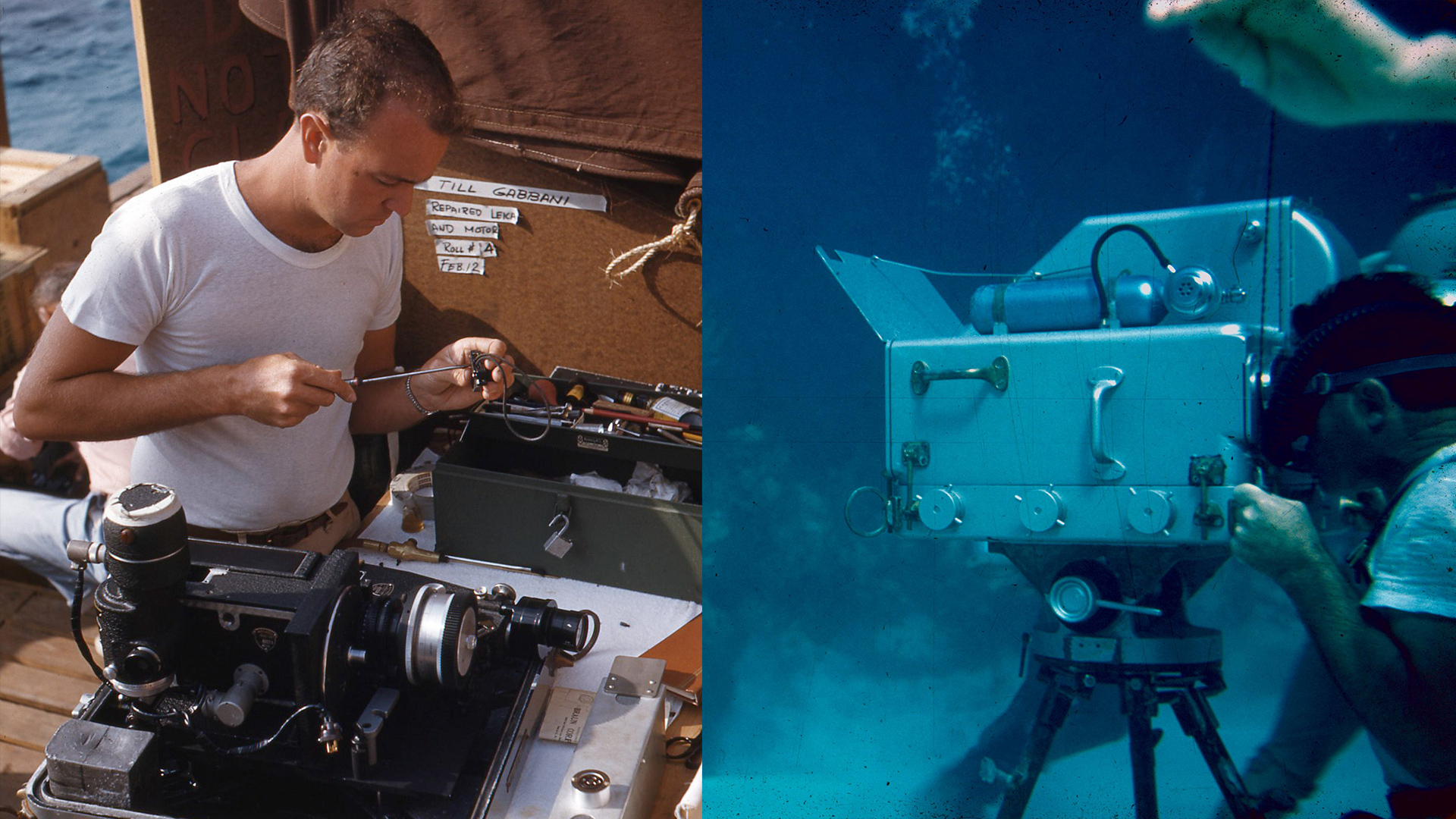
In 1953, Iwerks transferred to the Studio Machine Shop and soon became a camera technician. His first major Disney film assignment was 20,000 Leagues Under the Sea, released in 1954. He went on to lead the Machine Shop, Camera Service Department, and Technical Engineering and Manufacturing Division during his 35 years with the company.
Innovations in Disney Films and Theme Parks
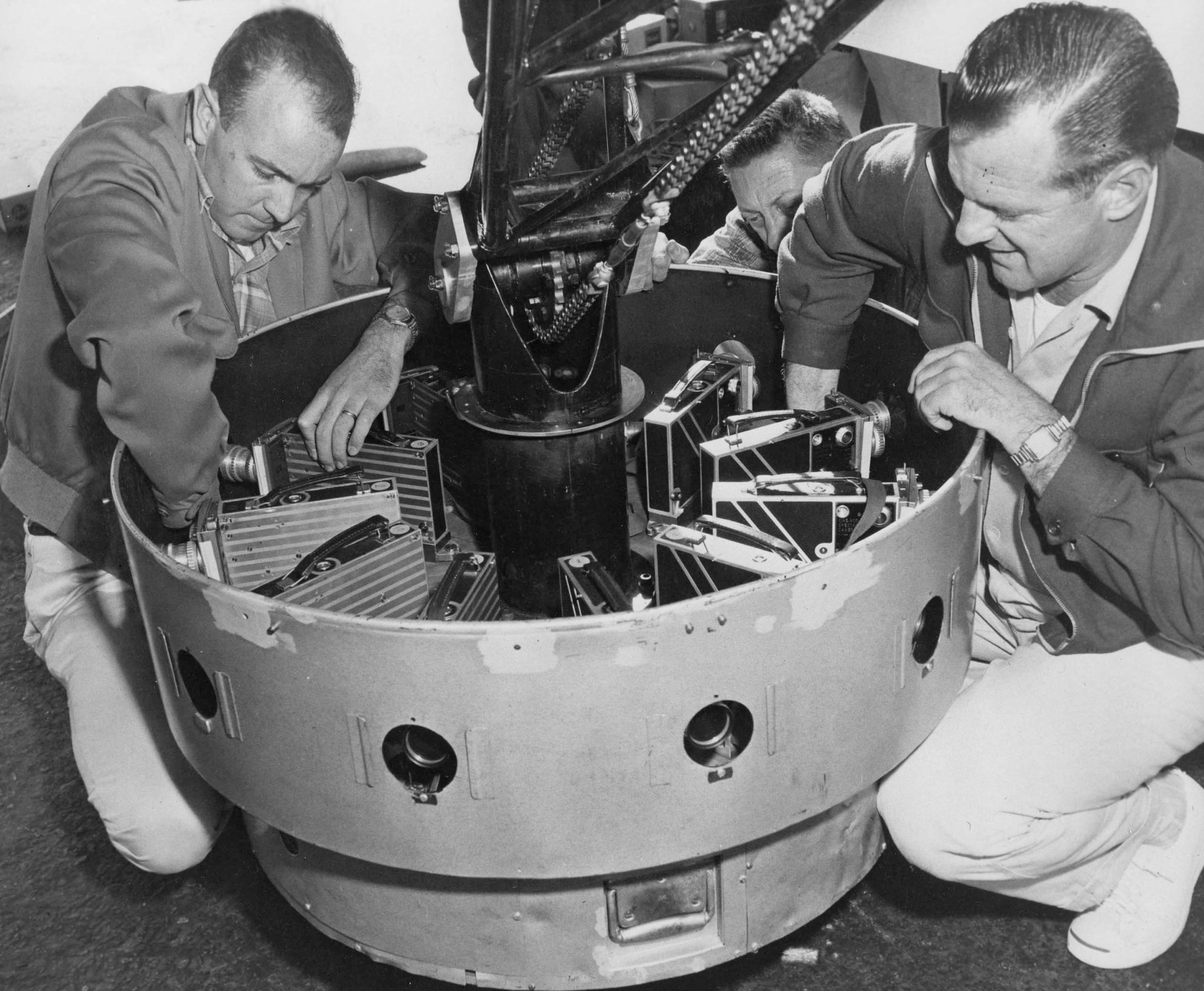
Among Iwerks’ best-known achievements was his work on the 360-degree camera system developed for Circarama, U.S.A., which opened with Disneyland Park in 1955. The immersive presentation surrounded audiences with synchronized projected images, allowing guests to experience filmed locations on a scale that conventional cinema could not provide.
The system was later refined as Circle-Vision 360. Productions using the technology included America the Beautiful, which played at Disneyland for more than 17 years across multiple versions and was also presented at Magic Kingdom. Later Circle-Vision films appeared at EPCOT, Tokyo Disneyland, and Disneyland Paris.
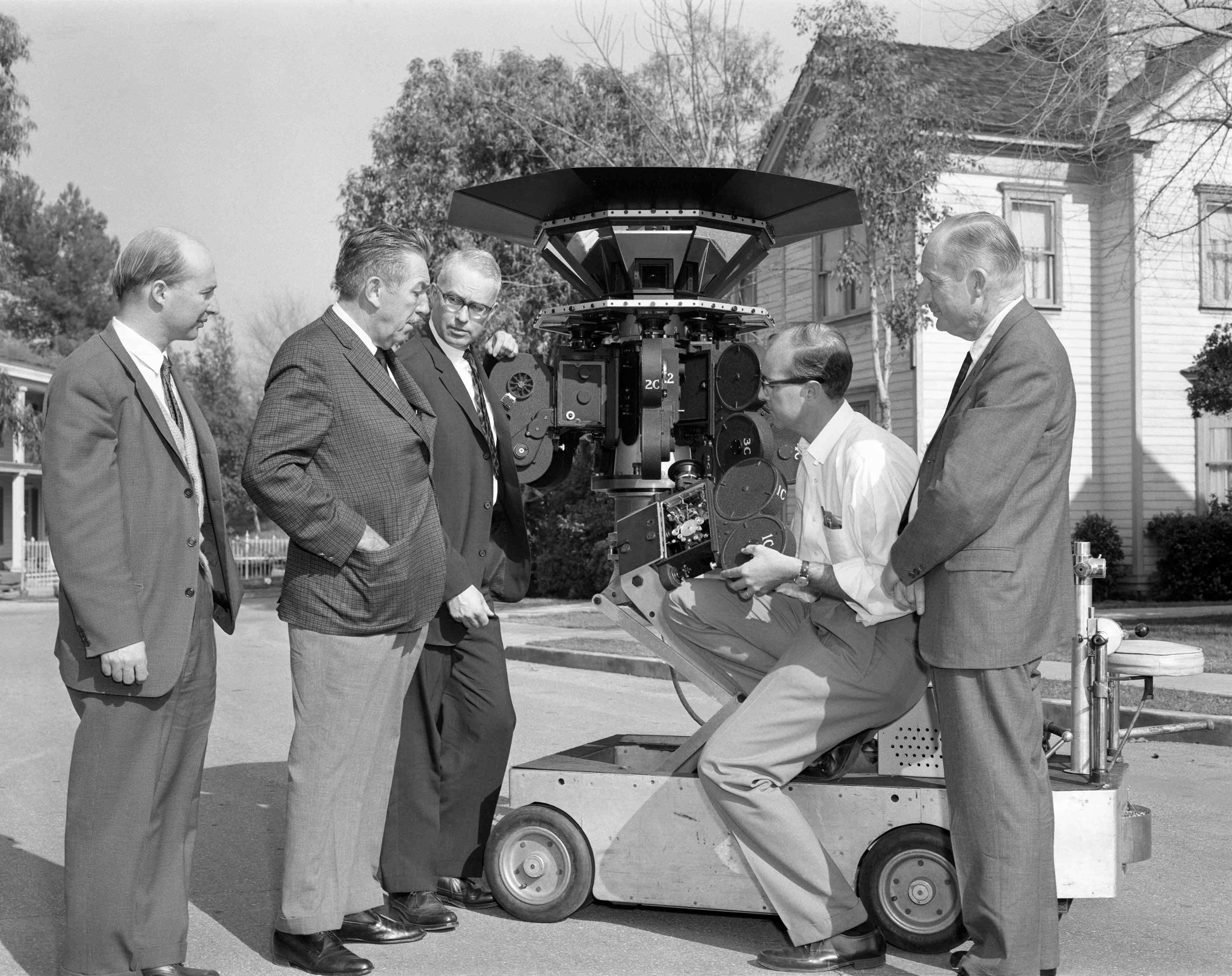
Iwerks also developed specialized film equipment for Disney’s attractions at the 1964–1965 New York World’s Fair. The company’s four pavilions at the exposition helped demonstrate that Disney-style storytelling and attraction technology could succeed beyond Disneyland, contributing to the confidence behind the eventual development of Walt Disney World.
His later theme park work included engineering the 3-D presentation and in-theater effects used for Captain EO. He also built the projection system for Star Tours, the groundbreaking motion-simulator attraction that debuted at Disneyland in 1987 before expanding to other Disney resorts.
Iwerks considered his contributions to EPCOT among the most significant of his career, saying:
“In my career, EPCOT was most outstanding. The theaters included two nine-screen Circle-Vision theaters plus the [France] pavilion—which was like Circle-Vision, except that it was a sit-down theater with five screens and a 200-degree wrap. The American Adventure was a huge rear-projection theater with set pieces in front of it. The film and scenics served as the background that helped to tell the story of America. It remains one of the most powerful experiences at EPCOT.”
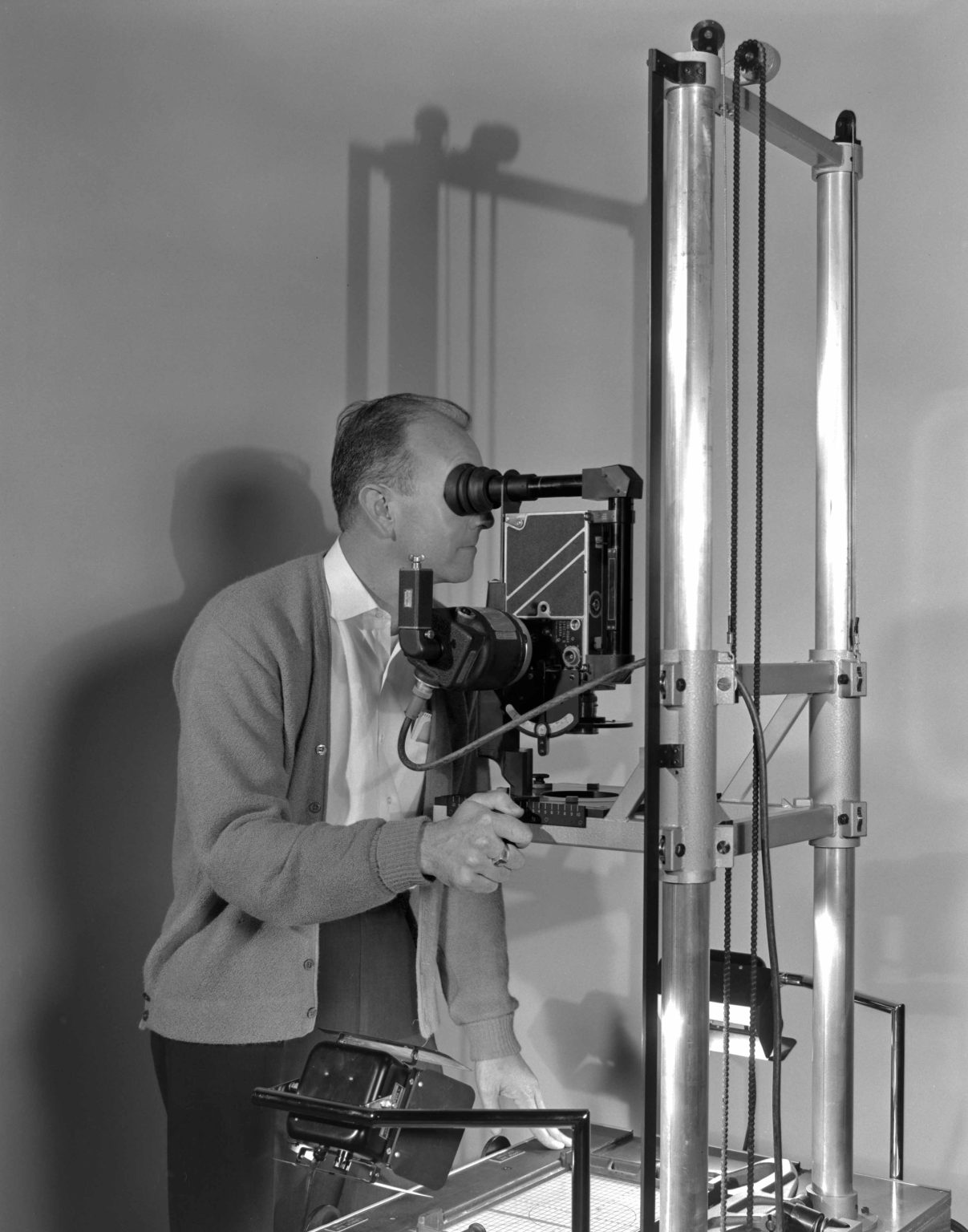
Don also collaborated with his father on the development and refinement of Disney’s sodium vapor process. The technique enabled filmmakers to combine live-action performers with animation and painted environments more precisely than traditional blue-screen methods available at the time.
Specialized cameras and optical printers built for the process were used extensively in Mary Poppins, particularly during sequences such as “Jolly Holiday,” in which the live-action characters enter an animated world. The film’s visual-effects accomplishments contributed to its five Academy Award wins.
Don Iwerks, Pioneer, Award Winner, Disney Legend
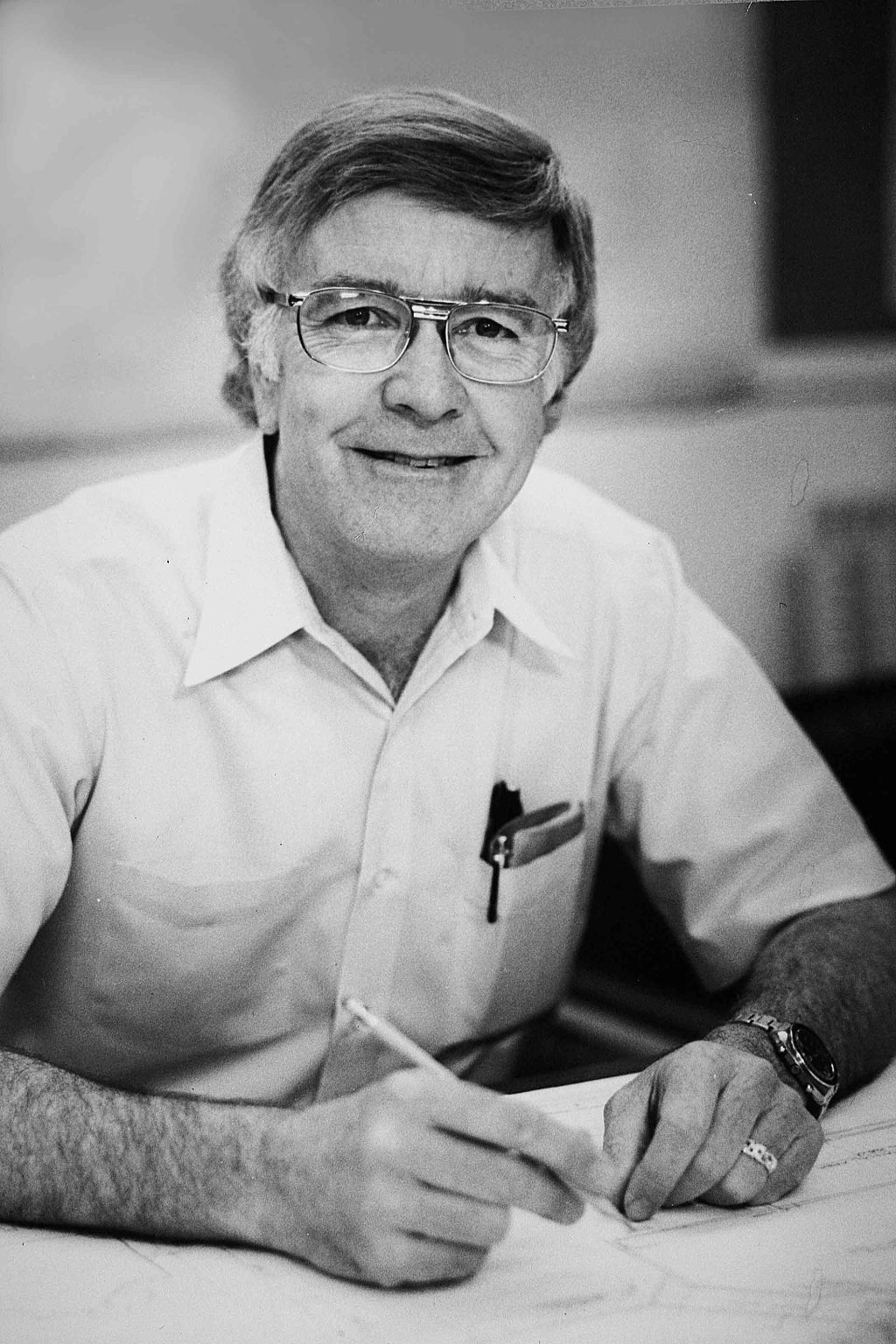
In 1997, the Academy of Motion Picture Arts and Sciences presented Iwerks with the Gordon E. Sawyer Award, recognizing his technological contributions to the motion-picture industry. The honorary award is reserved for individuals whose innovations have significantly advanced filmmaking.
Iwerks was inducted as a Disney Legend during the inaugural D23 Expo in 2009. His handprints, along with those of his father, are displayed at Legends Plaza on the Walt Disney Studios lot in Burbank.
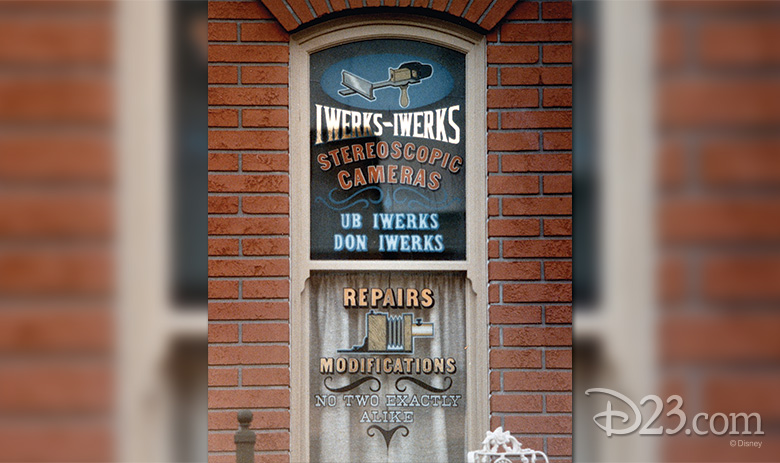
The father and son are also honored with a shared window above Main Street, U.S.A. at Magic Kingdom. The inscription advertises “Iwerks–Iwerks Stereoscopic Cameras,” commemorating the pair’s extensive contributions to Disney photography, film technology, and projection systems.
After leaving Disney following a 35-year career, Iwerks co-founded Iwerks Entertainment in 1986. The company specialized in giant-screen theaters, motion simulators, and 3-D projection-based attractions. It was acquired by SimEx Inc. in 2001.
The Iwerks family’s influence on Disney continued through Don’s daughter Leslie Iwerks, an Academy Award- and Emmy-nominated filmmaker whose projects include The Hand Behind the Mouse: The Ub Iwerks Story, The Pixar Story, The Imagineering Story, and Disneyland Handcrafted.
Don credited both Walt Disney and his father, Ub, for the success he enjoyed throughout his career. From them, he learned that keeping a keen eye on detail and quality is the key to success.
“There was a ‘can-do’ attitude I learned from Walt and my father. If you’re doing a really first-class job, you don’t need to worry about the money. It will come. Walt gave everyone a feeling that they were creating things that others had never thought of before, of being a part of history.”
Don Iwerks is survived by his wife of 54 years, Betty; his sons, John and Larry; and his daughter, Leslie. He was preceded in death by his daughter Tamara.
What’s your favorite experience among Iwerks’ many contributions to The Walt Disney Company? Let us know on social media.
For the latest Disney Parks news and info, follow WDW News Today on Twitter, Facebook, and Instagram.