Walt Disney World history is a remarkable journey of imagination, ambition, and innovation that spans more than five decades. From a quiet patch of Florida swampland to the most visited vacation resort on Earth, the story of Walt Disney World is filled with bold dreams, iconic milestones, and magical moments that continue to shape the world of entertainment and tourism. Whether you’re a lifelong fan or just beginning to explore its legacy, here are the key events and stories that define Walt Disney World history from its earliest vision to its future plans.
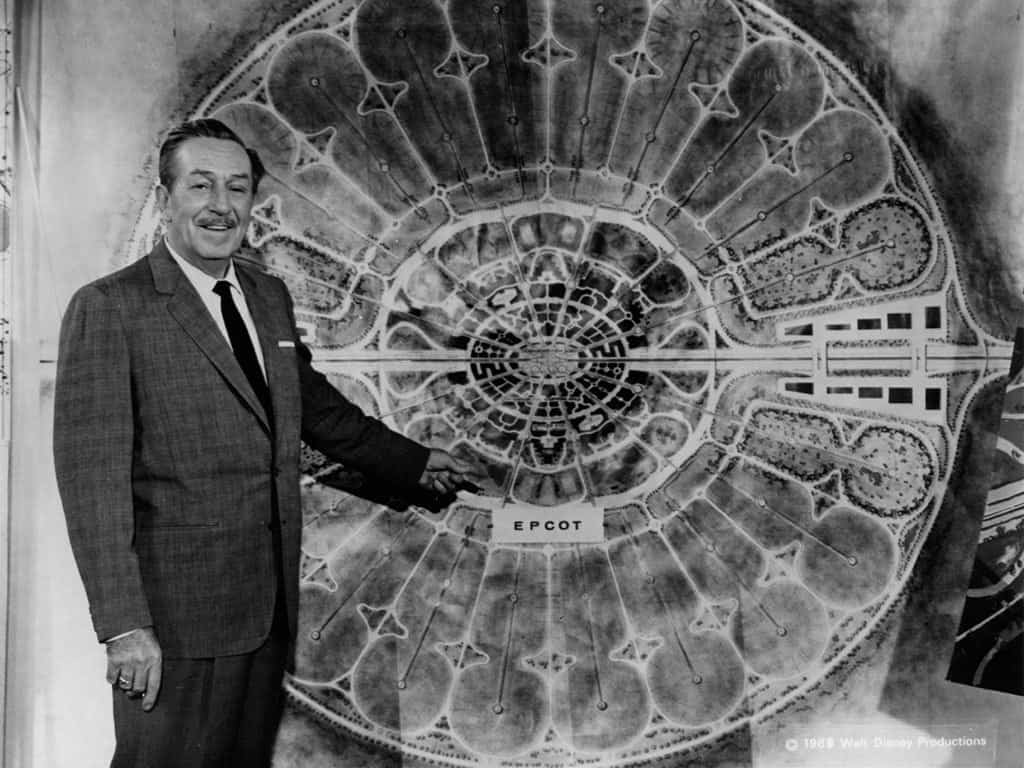
The Florida Project (Early 1960s–1966) – Secret Dream Takes Shape:
The roots of Walt Disney World history begin with Walt Disney himself. After the success of Disneyland in California, Walt set his sights on something even bigger. He envisioned an East Coast counterpart that would not only be a theme park but a living, breathing city of the future. Dubbed “The Florida Project,” Walt used a series of secret land purchases through shell companies to quietly acquire over 27,000 acres in Central Florida. This bold and strategic move laid the foundation for a dream far beyond just entertainment. Tragically, Walt passed away in 1966 before seeing it come to life. His brother, Roy O. Disney, postponed his retirement to carry out the dream, renaming the project “Walt Disney World” in his honor.
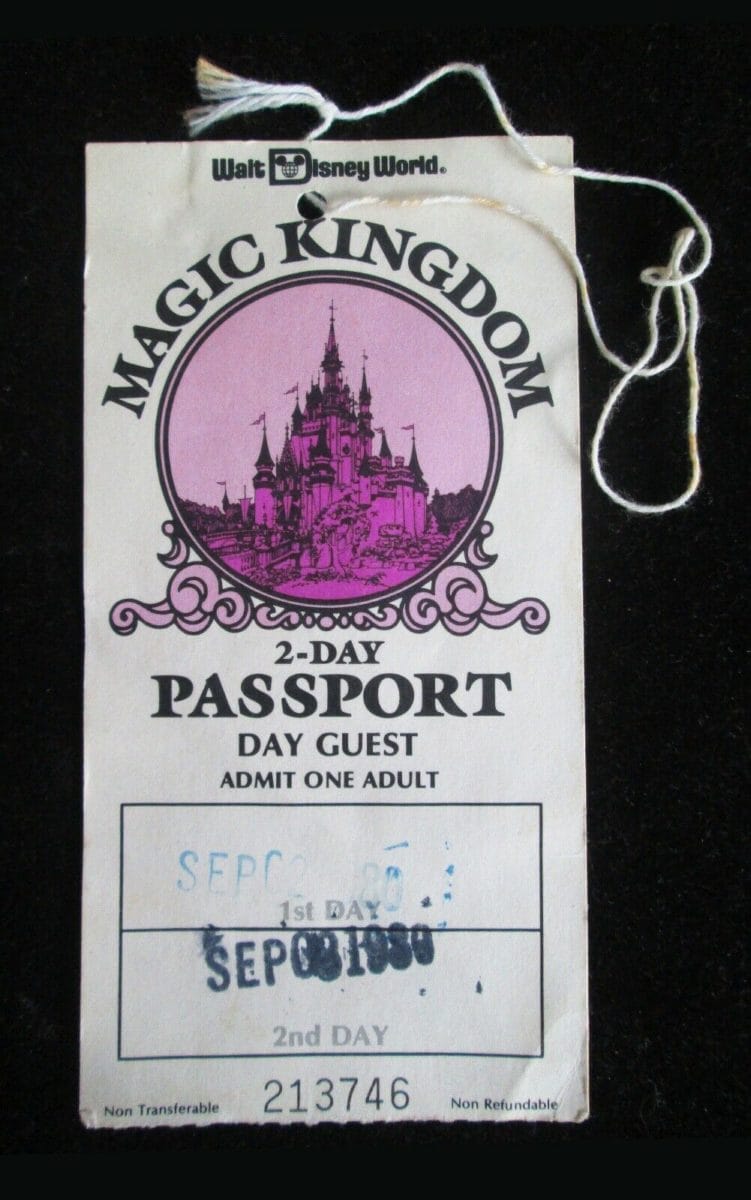
Groundbreaking & Grand Opening (1967–1971)
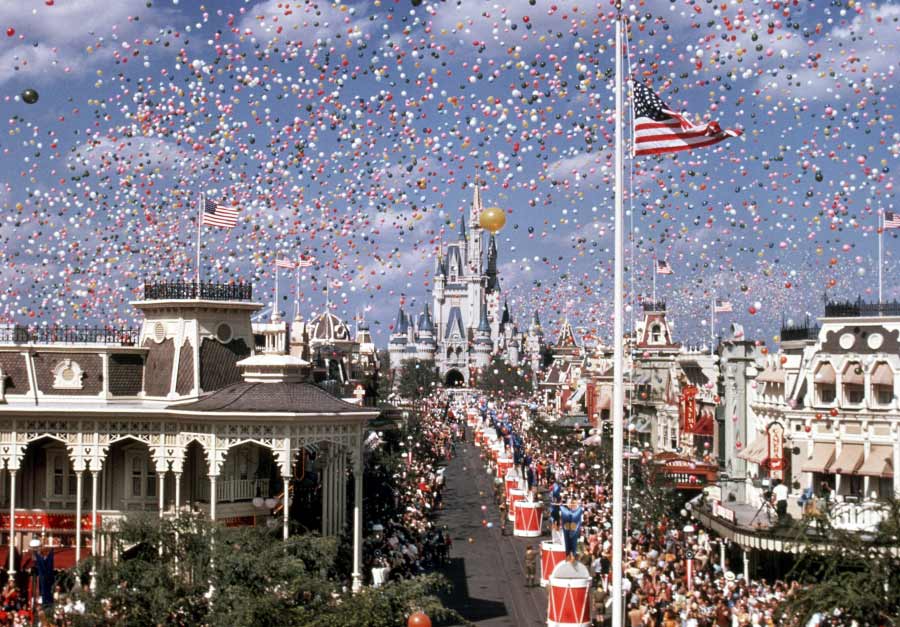
Construction officially began in 1967 and soon the swampy landscape transformed into a world of wonder. Walt Disney World history reached a pivotal moment on October 1, 1971, when Magic Kingdom Park opened its gates to the public. The park debuted with classic attractions like Jungle Cruise, Haunted Mansion, and It’s a Small World. Two original resort hotels, Disney’s Contemporary Resort and Disney’s Polynesian Village Resort, also opened that day. The introduction of the Walt Disney World Monorail system and underground utilidor tunnels for operations further showcased the innovation behind the magic. The dedication ceremony, delivered by Roy Disney, set the tone for what Walt Disney World would become, a place where families could come together and experience joy, imagination, and timeless adventure.
1970s: Building Magic & Early Expansion
After the successful launch of Magic Kingdom, the 1970s saw continued growth. Key attractions such as Pirates of the Caribbean and Space Mountain were added, enhancing the park’s appeal. Disney’s Fort Wilderness Resort & Campground and Lake Buena Vista Shopping Village (the precursor to Disney Springs) expanded the vacation experience beyond the park gates. Walt Disney World history in this decade is marked by foundational developments that solidified its status as a multi-day resort destination.
1980s: Growth of Dream – EPCOT & Hollywood Studios
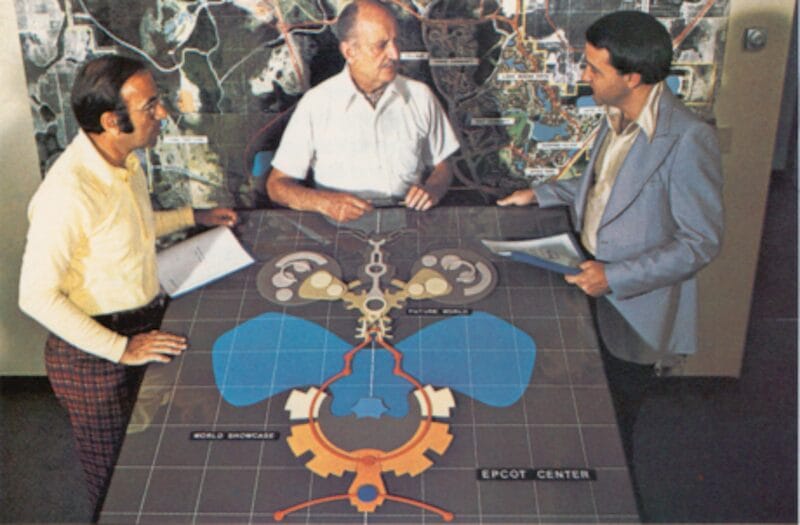
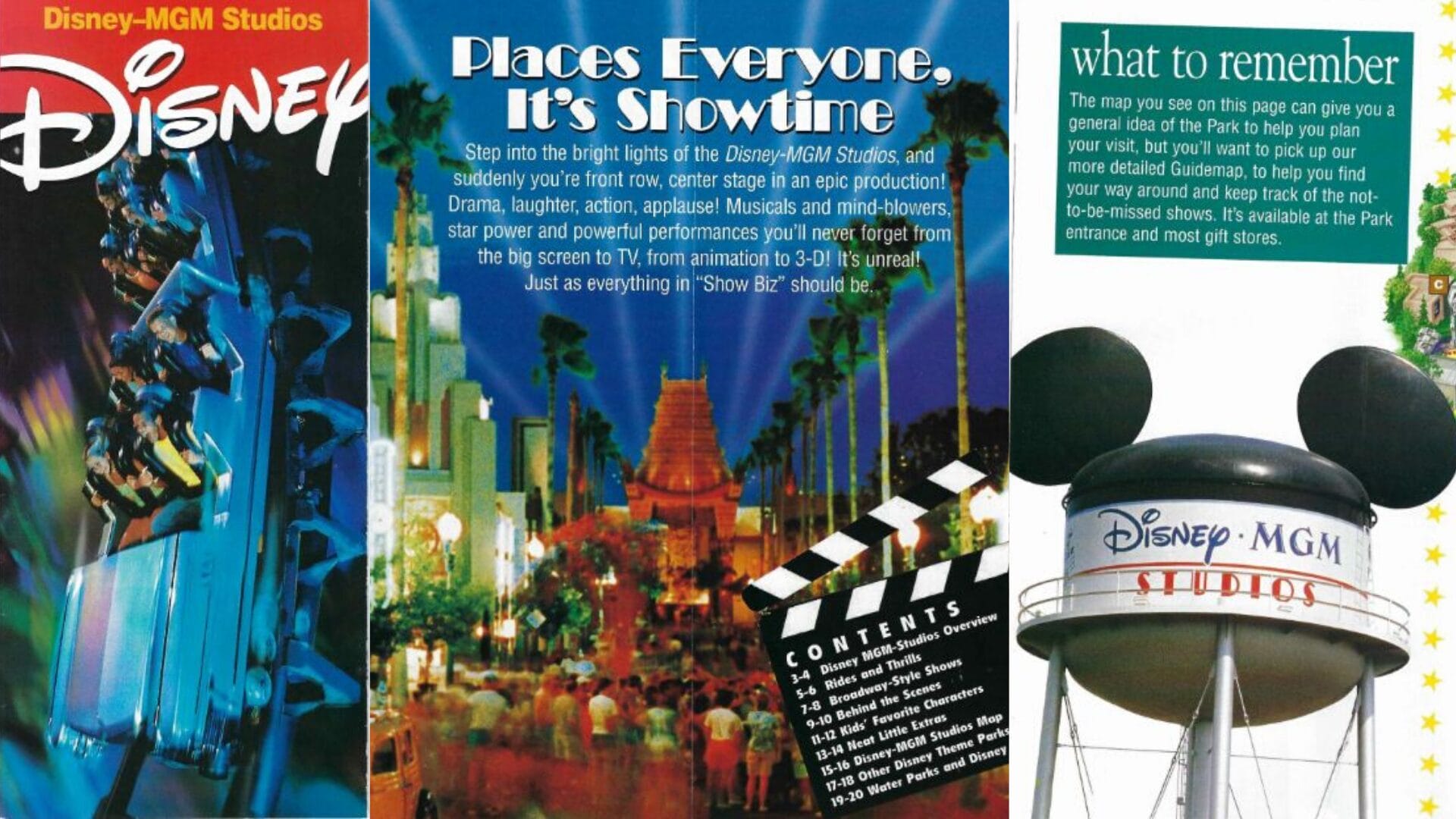
The 1980s were a transformative era in Walt Disney World history. In 1982, EPCOT Center opened, inspired by Walt’s original vision of a futuristic community. Though it evolved into a theme park rather than a functioning city, EPCOT became a celebration of technological innovation and global culture. Just a few years later, in 1989, Disney-MGM Studios opened (now Disney’s Hollywood Studios), giving guests a behind-the-scenes look at movie-making magic. New resorts, water parks like Typhoon Lagoon, and additions to World Showcase further expanded the resort’s footprint and variety of experiences.
1990s The Disney Decade
One of the most ambitious eras in Walt Disney World history came in the early 1990s, when then CEO Michael Eisner announced what became known as “The Disney Decade.” This bold initiative aimed to massively expand Disney parks, resorts, and experiences throughout the 1990s. For Walt Disney World, it marked a period of tremendous growth and innovation. The resort welcomed new hotels like Disney’s BoardWalk Inn and Disney’s Wilderness Lodge, expanded its entertainment offerings with the opening of Blizzard Beach in 1995, and introduced the groundbreaking Disney Vacation Club.
The Disney Decade also brought the debut of popular attractions including Tower of Terror at Disney-MGM Studios. Perhaps the most iconic achievement of this era was the creation of Disney’s Animal Kingdom, which opened in 1998 and blended wildlife, conservation, and storytelling, it became the fourth theme park on property and a completely unique experience. While not every project originally announced came to life, the Disney Decade left a lasting legacy, redefining the scale and scope of Walt Disney World and setting the stage for its modern identity as a true vacation kingdom.
The 1990s were also filled with major anniversary celebrations, including the park’s 25th anniversary in 1996 and the millennium festivities in 2000. Attractions like Rock ‘n’ Roller Coaster and Kilimanjaro Safaris helped define this decade of dynamic growth and immersive storytelling.

2000s–2010s: Technological Innovation & Immersive Lands
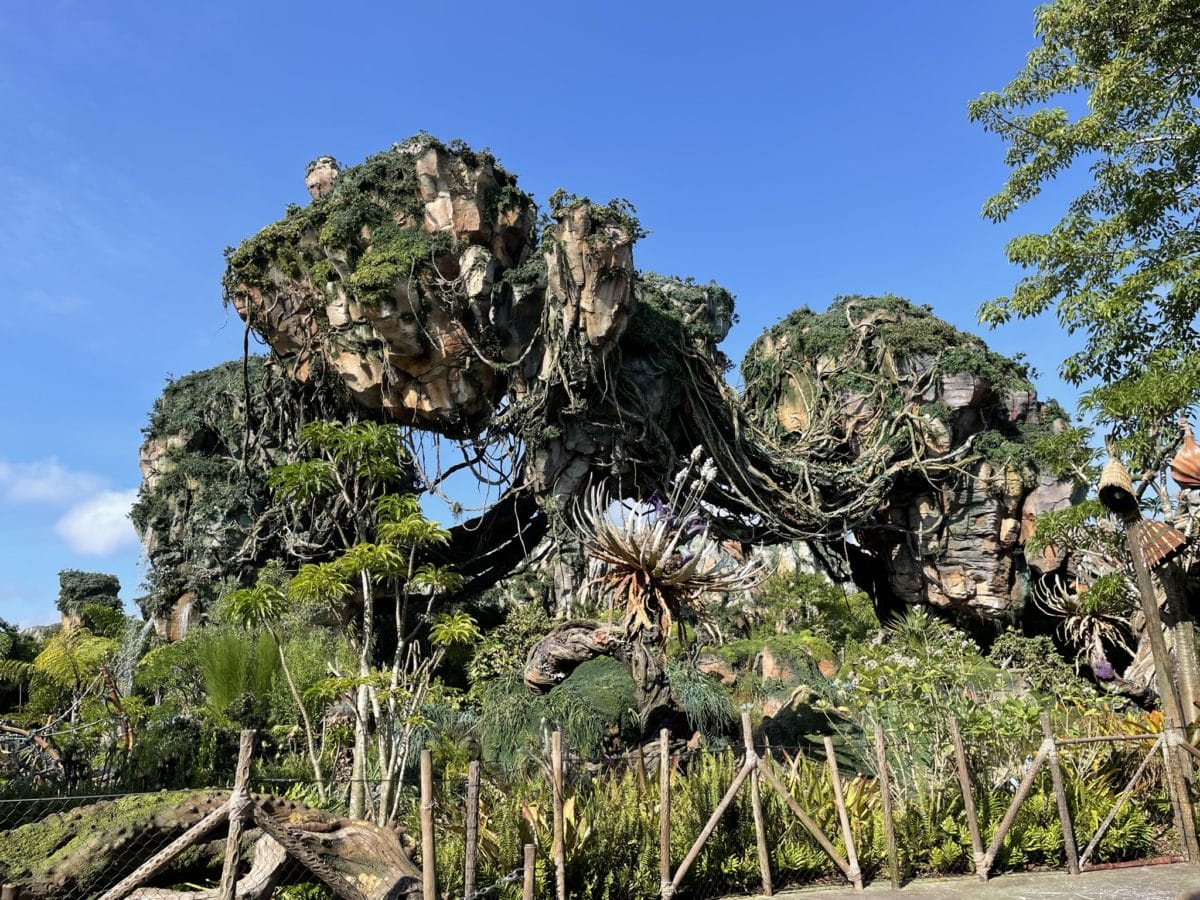
The new millennium brought digital transformation and themed lands that raised the bar for immersion. MagicBands revolutionized the way guests experienced the parks, integrating admission, hotel access, and purchases into a single wearable device. New Fantasyland opened in 2012 with updated versions of classic attractions and fresh additions like Under the Sea – Journey of the Little Mermaid. Pandora – The World of Avatar opened in 2017 at Animal Kingdom, offering bioluminescent landscapes and one of the most advanced rides ever created. This era in Walt Disney World history reflects the resort’s commitment to blending technology and storytelling in awe-inspiring ways.
Walt Disney World history took another exciting leap forward with the expansion of Disney’s Hollywood Studios through two major immersive lands. In 2018, Toy Story Land opened, shrinking guests down to the size of a toy and placing them in Andy’s backyard, complete with attractions like Slinky Dog Dash and Alien Swirling Saucers. Just a year later, in 2019, Star Wars: Galaxy’s Edge launched an entirely new level of themed entertainment. This 14-acre land transported guests to the planet Batuu, featuring advanced attractions like Millennium Falcon: Smugglers Run and Star Wars: Rise of the Resistance. These additions redefined the park’s identity and brought cinematic worlds to life in ways that deeply immersed visitors in the storytelling magic of Walt Disney World.
2020s COVID‑19 & Recovery
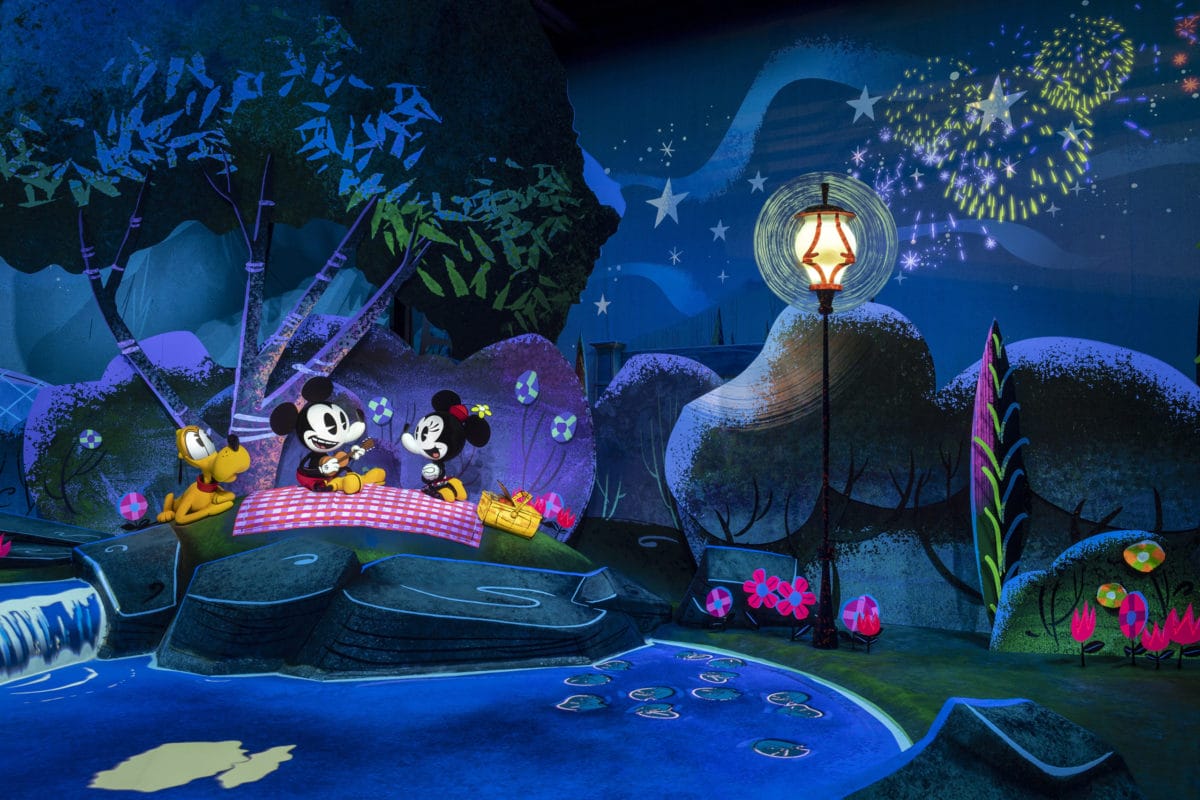
Walt Disney World history took a dramatic turn in March 2020 when the resort closed due to the COVID‑19 pandemic—the first time it had ever shut down for such an extended period. The parks reopened in July 2020 with limited capacity, health protocols, and altered experiences. Despite the challenges, Disney continued innovating, adjusting park reservations, launching mobile ordering enhancements, and introducing new attractions like Mickey & Minnie’s Runaway Railway. The resilience of the resort and its cast members kept the magic alive for returning guests during uncertain times.
Behind the Magic: Engineering, Infrastructure & Operations
One of the most fascinating aspects of Walt Disney World history is what guests don’t see. Beneath Magic Kingdom lies the famous utilidor system—underground tunnels used for everything from trash disposal to costume changes, ensuring the on-stage areas remain flawless. The monorail system, advanced ride engineering, and sophisticated crowd management techniques have all contributed to the resort’s long-term success. These behind-the-scenes innovations are a testament to Disney’s commitment to seamless guest experiences and operational excellence.
Economic & Cultural Footprint
Over the decades, Walt Disney World history has been closely tied to Central Florida’s transformation. The resort is the largest single-site employer in the U.S., contributing billions to the state’s economy each year. It has influenced the design of other theme parks around the world and played a major role in shaping American vacation culture. With more than 50 million annual visitors, it remains not just a theme park resort, but a cultural landmark known worldwide for its impact on entertainment, tourism, and imagination.
Looking Ahead: 2045 Expansion & New Park in the Works
The future of Walt Disney World history is already being written. Disney is actively developing long-term expansion plans that could include a fifth theme park, new hotels, and advanced underground infrastructure. Dubbed “Comprehensive Plan 2045,” these initiatives hint at a bold new chapter, focusing on immersive storytelling, guest convenience, and sustainable growth. As technology and guest expectations evolve, so too does the magic of Walt Disney World—ensuring its legacy will continue for generations to come.
Timeline & Quick Facts
1971 – Magic Kingdom opens
1982 – EPCOT Center opens
1989 – Disney-MGM Studios opens
1998 – Disney’s Animal Kingdom opens
2012 – New Fantasyland expansion
2017 – Pandora – The World of Avatar
2020 – COVID-19 closure and reopening
Future – 2045 expansion plans in progress

CEOs of The Walt Disney Company
The leadership of The Walt Disney Company has played a major role in shaping Walt Disney World history. Here is a chronological list of the company’s CEOs, along with their years in the role and their most notable contributions:
- Roy O. Disney (Interim, 1966–1971): Stepped in after Walt Disney’s death to oversee the completion and opening of Walt Disney World in 1971.
- E. Cardon Walker (1971–1983): Guided the company through the opening of EPCOT Center and Tokyo Disneyland, and helped expand Disney’s theme park business.
- Ron W. Miller (1983–1984): Walt Disney’s son-in-law; supported early projects in computer animation and the creation of Touchstone Pictures before being replaced following corporate tensions.
- Michael Eisner (1984–2005): Led during “The Disney Decade,” overseeing major park expansions, the launch of Disney-MGM Studios, Disney’s Animal Kingdom, and aggressive media acquisitions.
- Bob Iger (2005–2020): Spearheaded the acquisition of Pixar, Marvel, Lucasfilm, and 21st Century Fox; oversaw the launch of Star Wars: Galaxy’s Edge and Disney+.
- Bob Chapek (2020–2022): Took over during the COVID-19 pandemic; led the reopening of parks and a shift toward streaming and dynamic pricing strategies.
- Bob Iger (Returned, 2022–present): Reinstated to refocus the company on creativity, storytelling, and long-term vision amid internal restructuring and evolving audience expectations.
Frequently Asked Questions
Why is it called Walt Disney World?
Roy Disney renamed the resort “Walt Disney World” to honor his brother and make sure the world knew whose dream it was.
When did each Disney World park open?
Magic Kingdom opened in 1971, EPCOT in 1982, Hollywood Studios in 1989, and Animal Kingdom in 1998.
What is the utilidor system?
The utilidor system is a network of underground tunnels beneath Magic Kingdom that allows cast members and operations to remain hidden from guests, preserving the illusion of magic.
What’s next for Walt Disney World?
The Comprehensive Plan 2045 includes possible new theme parks, hotels, and advanced infrastructure, continuing Walt Disney World’s legacy of innovation and expansion.