The newest episode of We Call It Imagineering is about the creation of the Disney Adventure and the history of Disney Cruise Line. The episode is now available on YouTube and will be streaming on Disney+ later.
We Call It Imagineering – “Set Sail”
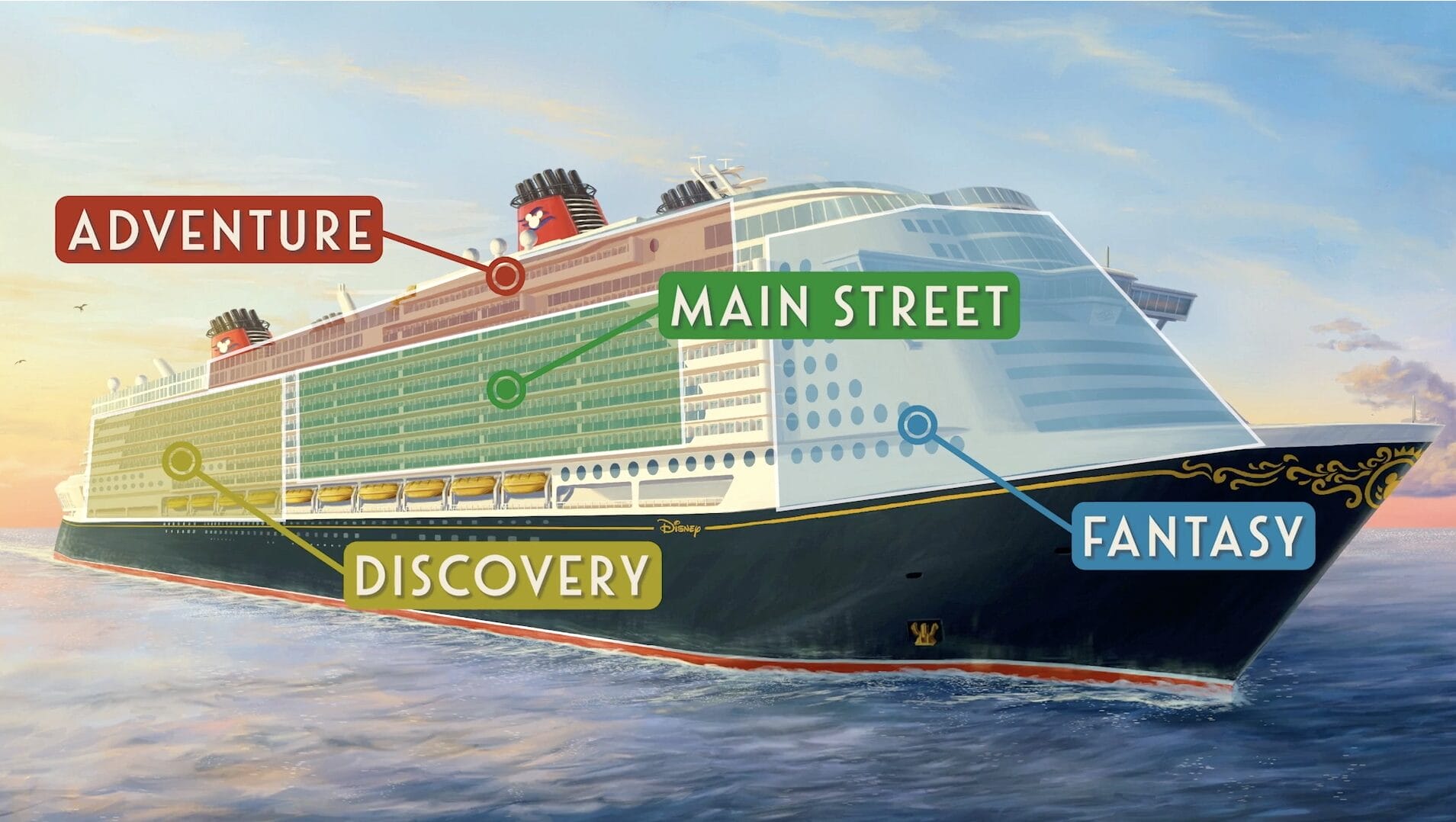
Imagineers said that while designing the Disney Adventure, they looked through the lens of Disney theme parks. They brought the same guiding principles of park design to the ship, splitting it into areas like theme park lands: Adventure, Discovery, Main Street, and Fantasy.
This evolved into seven themed areas. This ship would also act as the introduction of the Disney brand to the Southeast Asian audience, who haven’t necessarily been to a Disney park.
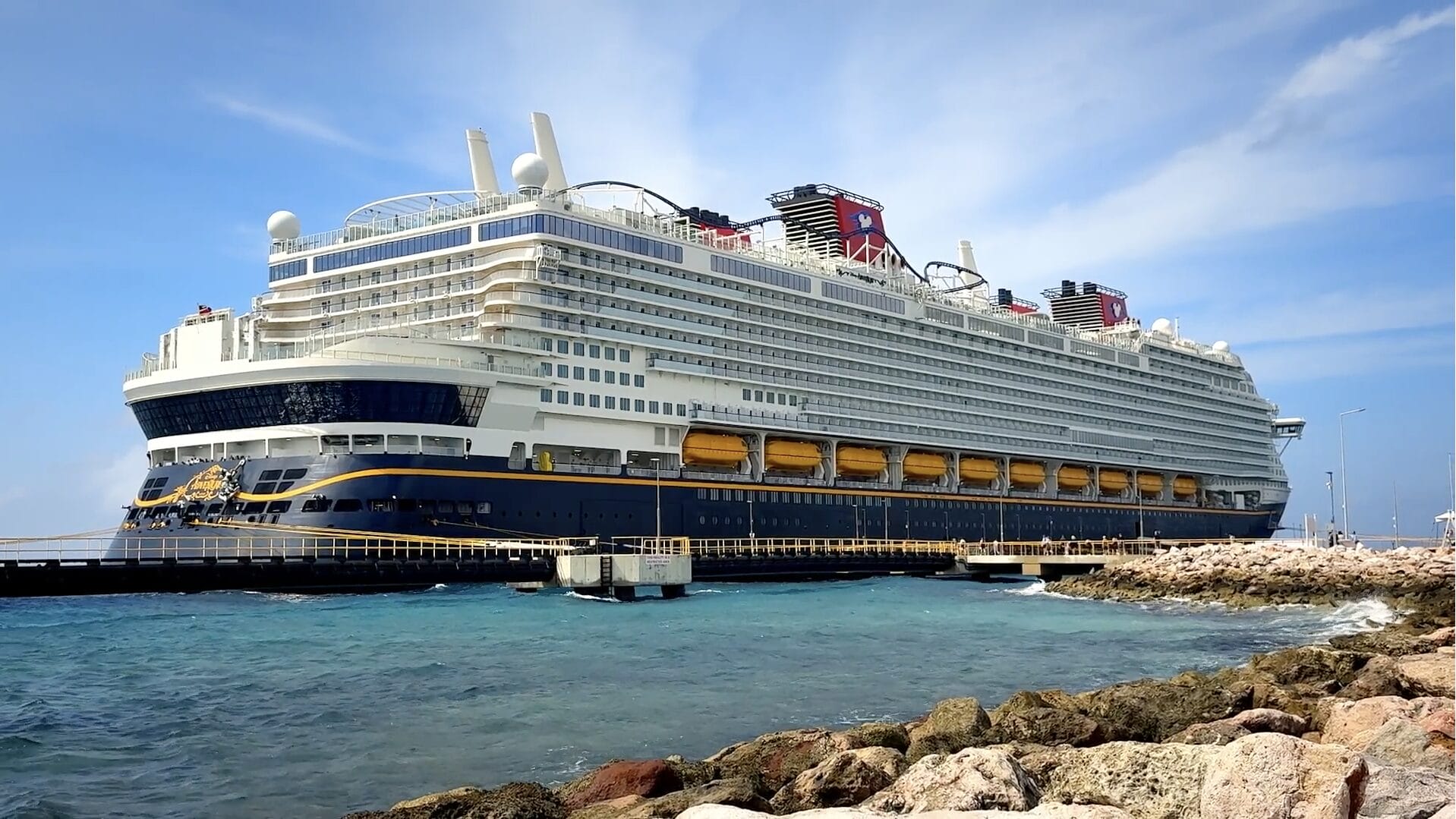
Pam Rawlins, Executive Producer at Walt Disney Imagineering, noted that usually Imagineers have a blank canvas to work with but this time was different and the canvas was “huge.” As the largest Disney Cruise Line ship, the Disney Adventure began its life as the Global Dream, commissioned by Genting Hong Kong’s Dream Cruises. After the company went bankrupt, Disney Cruise Line acquired the half-built ship.
Andres Ovalles, Principal Project Manager, said, “We had to figure out how to fit our stories into these spaces.”
Imagineers performed thousands of hours of research, working with Consumer Insights to learn what the Southeast Asian market loves.
Disney Cruise Line History
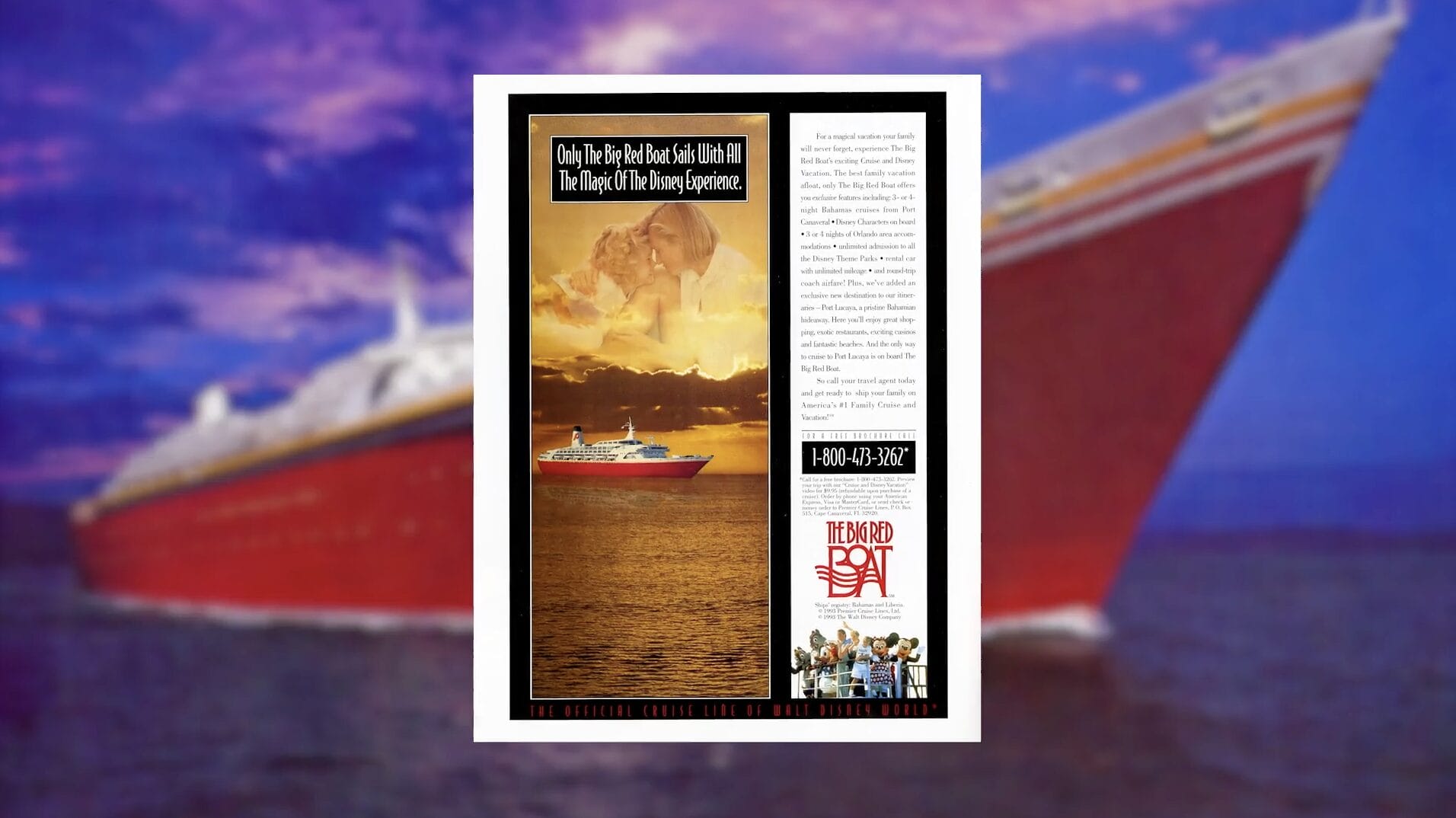
The episode also takes a look back in time at the creation of Disney Cruise Line. Former Imagineer and Disney Legend Wing Chao and Imagineering Chief Creative Officer Bruce Vaughn, who both led the design of previous Disney Cruise Line ships, talked about the division’s history.
Before Disney Cruise Line, Disney had a licensing agreement with Premier Cruise Line. Disney characters appeared on Premier’s “Big Red Boat.” After the agreement expired, then Disney CEO Michael Eisner decided to create Disney Cruise Line.
At the time, Chao was overseeing hotels and entertainment. Vaughn asked how he ended up with the Disney Cruise Line project and Chao explained, “I happened to sit next to Michael that day.”
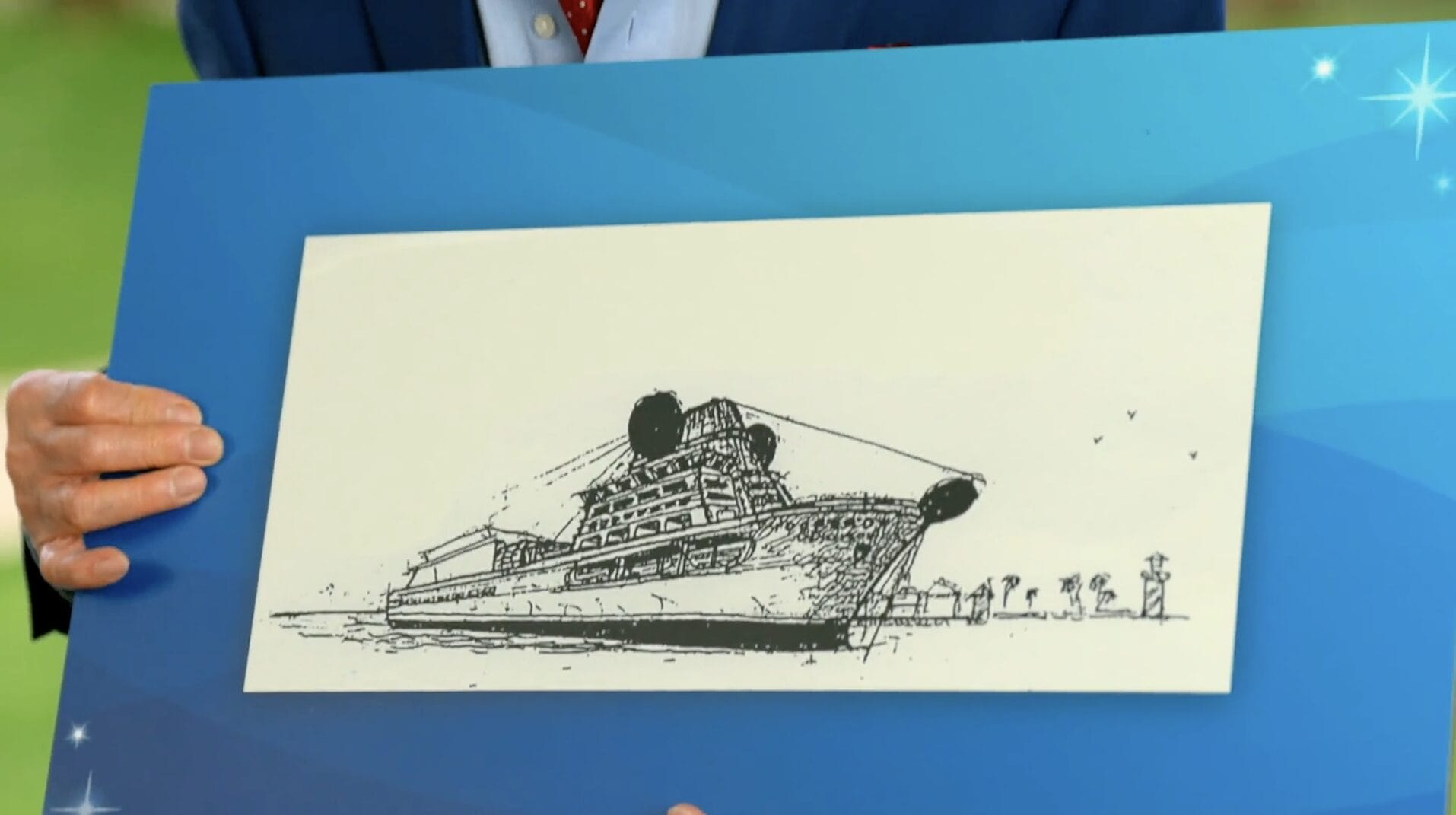
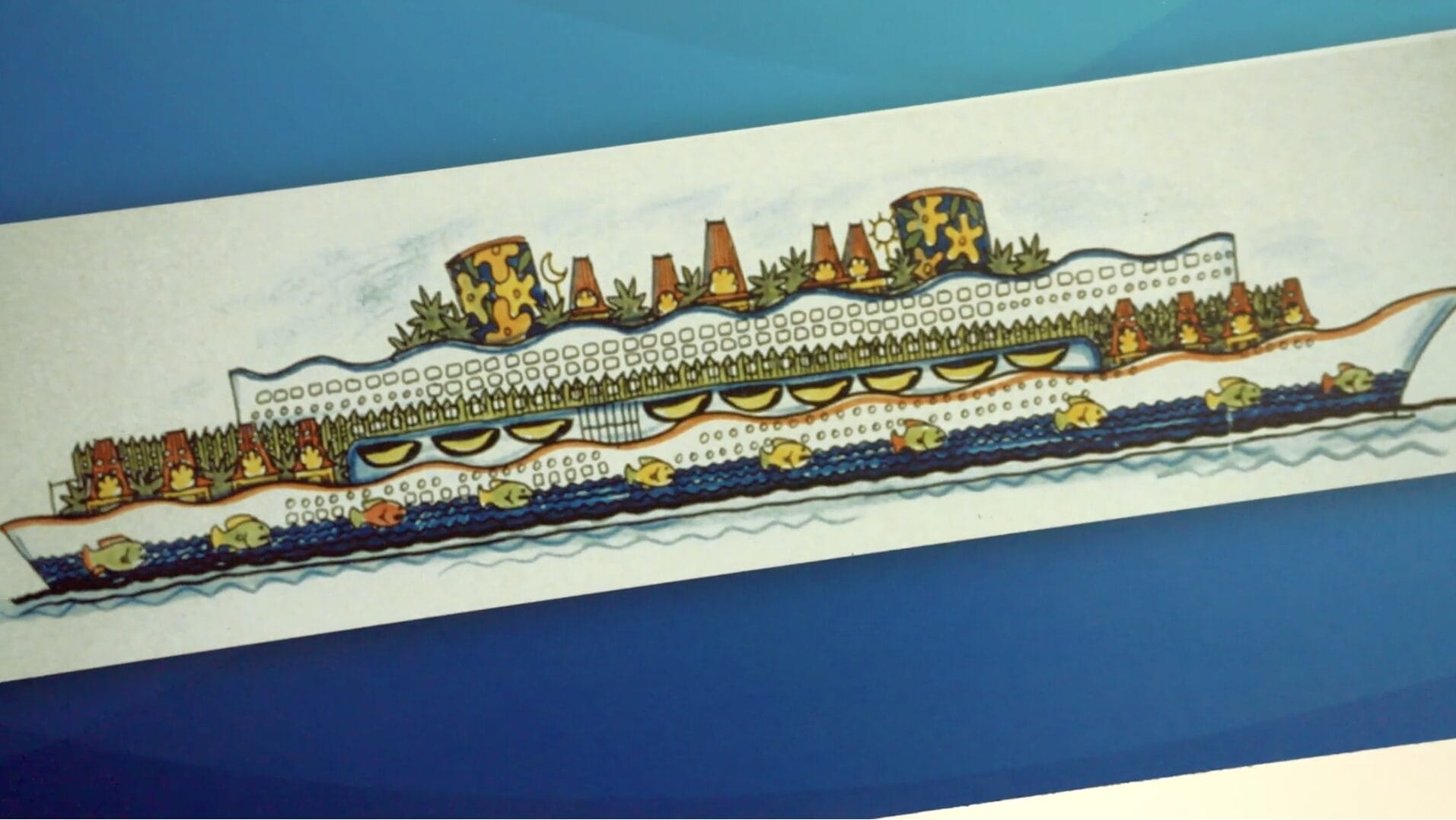
Chao asked Eisner what he wanted and the CEO said, “‘A Disney ship should be classic but also should be modern.’ Then he walked out.” In the episode, Chao runs through a few different early designs, some of which didn’t look enough like a cruise ship, some of which didn’t have enough Disney details. Ironically, he said a design with three funnels had “too many” — even though the Disney Adventure has four.

The final iconic design they settled on incorporated Mickey’s main colors: black, white, red, and yellow. Disney Cruise Line began with the Disney Magic, which launched in 1998, and every ship since has used the same color scheme.
Disney Imagination Garden
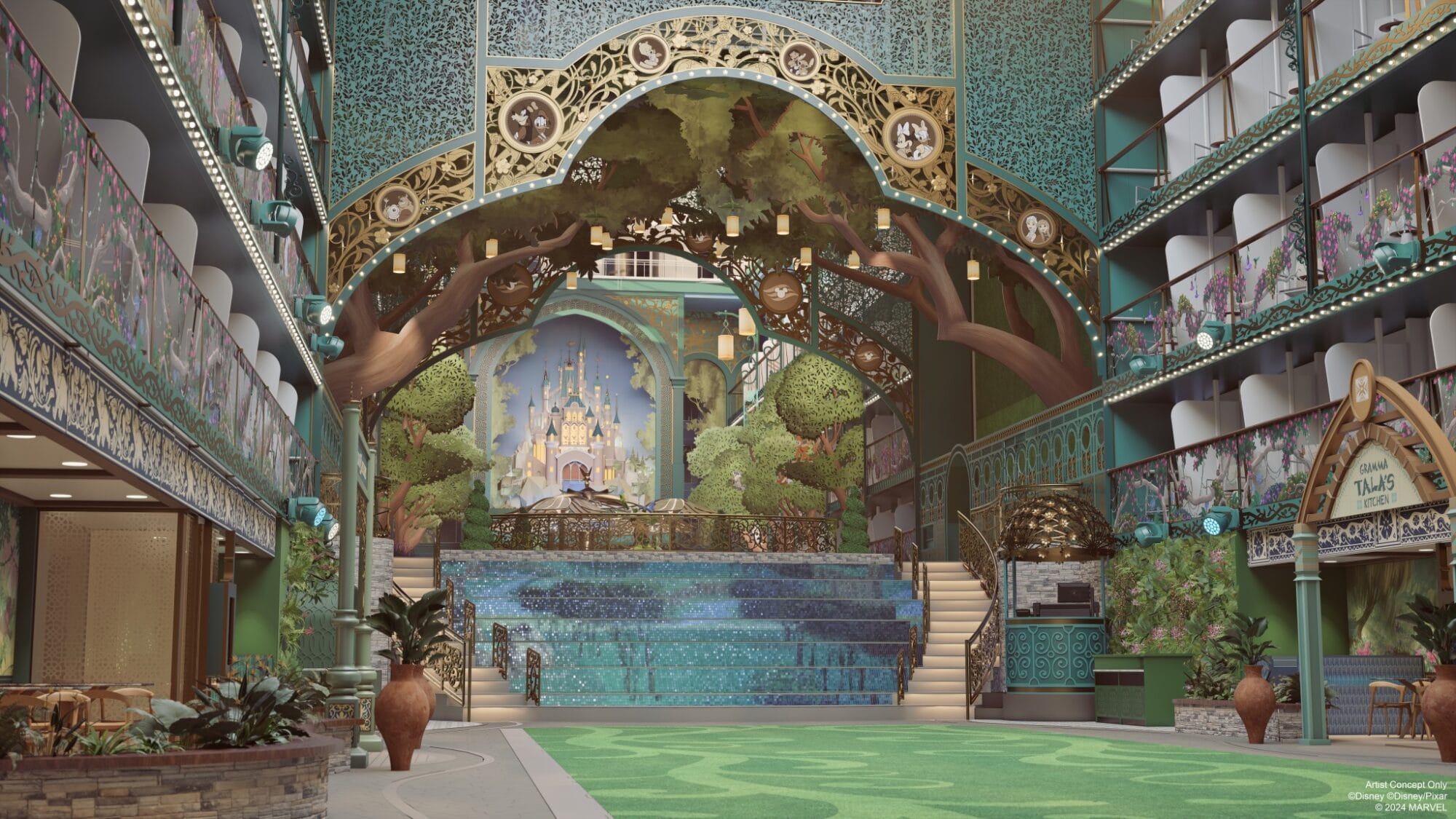
Show lighting executive Will Hastings described Disney Imagination Garden, the center of the ship, as a “place where all of our characters could live together.” It acts as the ship’s Main Street, although it’s obviously not inspired by turn-of-the-century Marceline, Missouri like the Main Streets at Disney Parks. There are several hidden characters in the garden and a castle is at one end.

Hastings talked about being used to budgetary restraints but never before having had to worry about a “weight budget.” The heavier the ship is, the more fuel it uses, so Imagineers had to keep weight under consideration when designing and constructing things like the castle.
At one point, the team estimated the ship would be 140 tons, which was more than they were allowed. Hastings said through “careful engineering and some material changes,” they were able to cut 70 tons of steel out of the design.
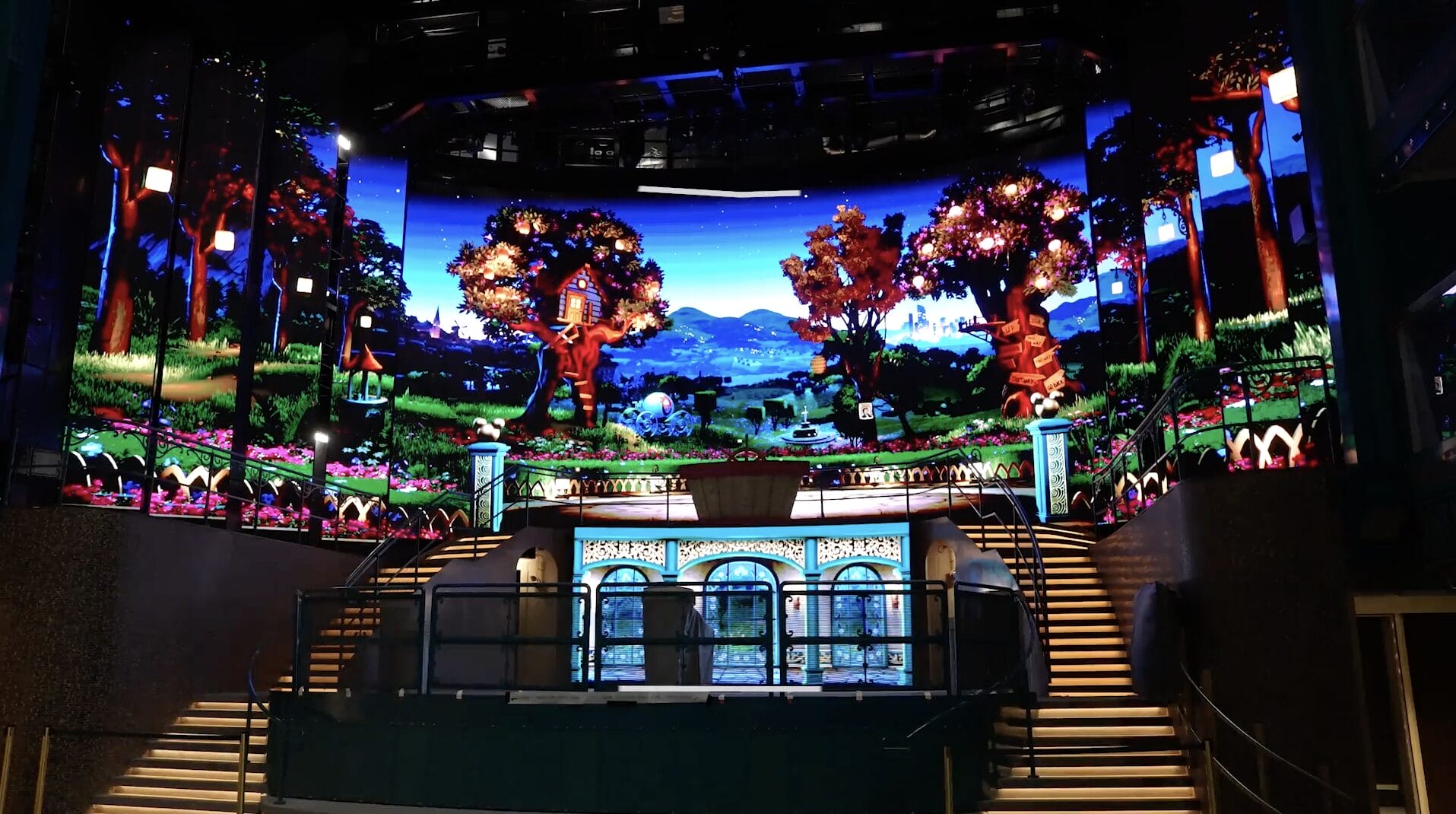
Across from the castle is a stage with a mesh screen of 5.5 million individually-tested pixels. It’s about 30 feet tall and 50 feet wide. Behind the screen are speakers that take up nearly two decks worth of space.
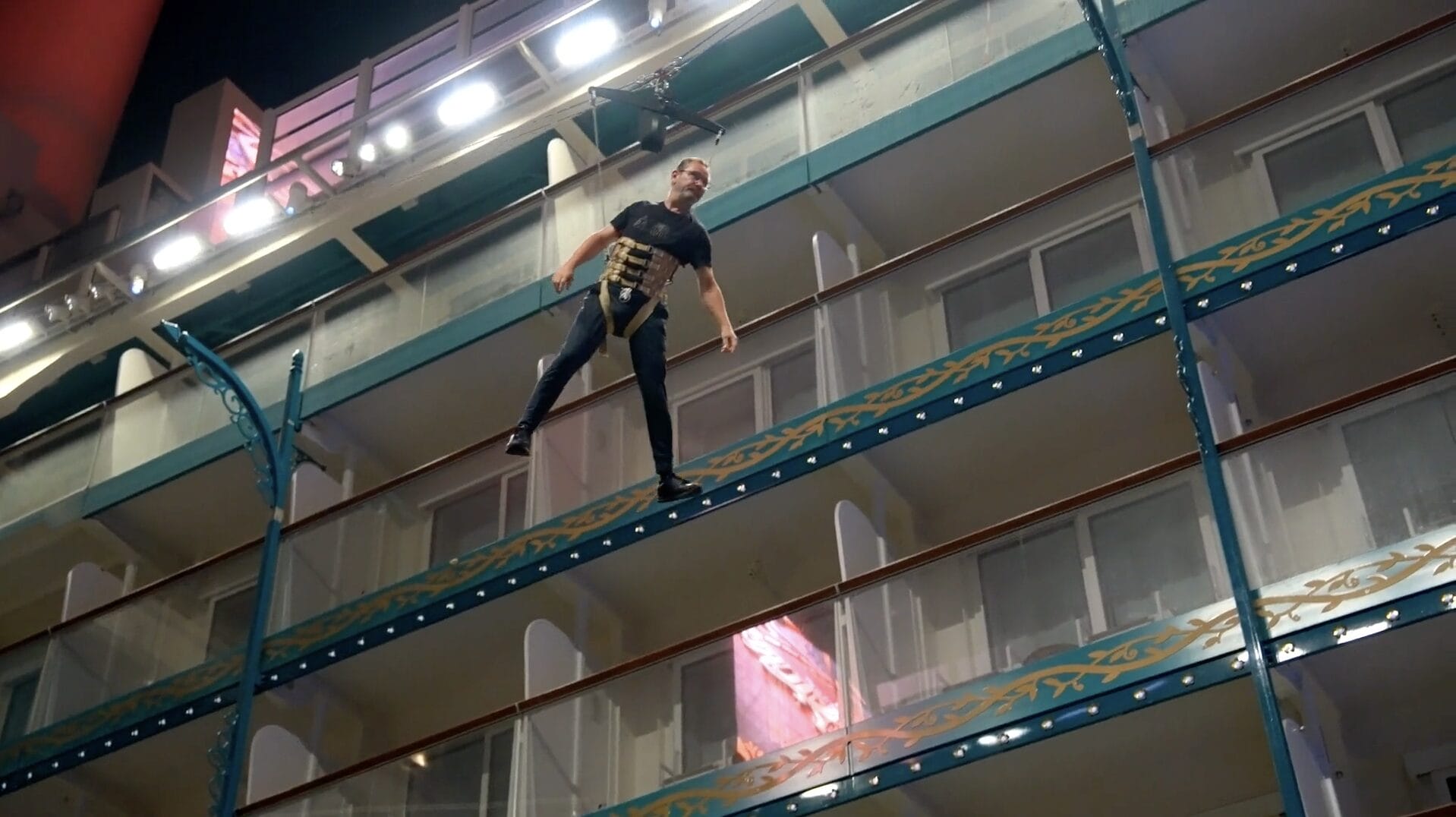
A segment of the episode is dedicated to how they fly performers over the audience and stage. While flight on the deck stages of other Disney Cruise Line ships is limited, they can move performers in any direction in Disney Imagination Garden. The system went through a year and a half of design and testing before installation.
Marvel WEB Workshop
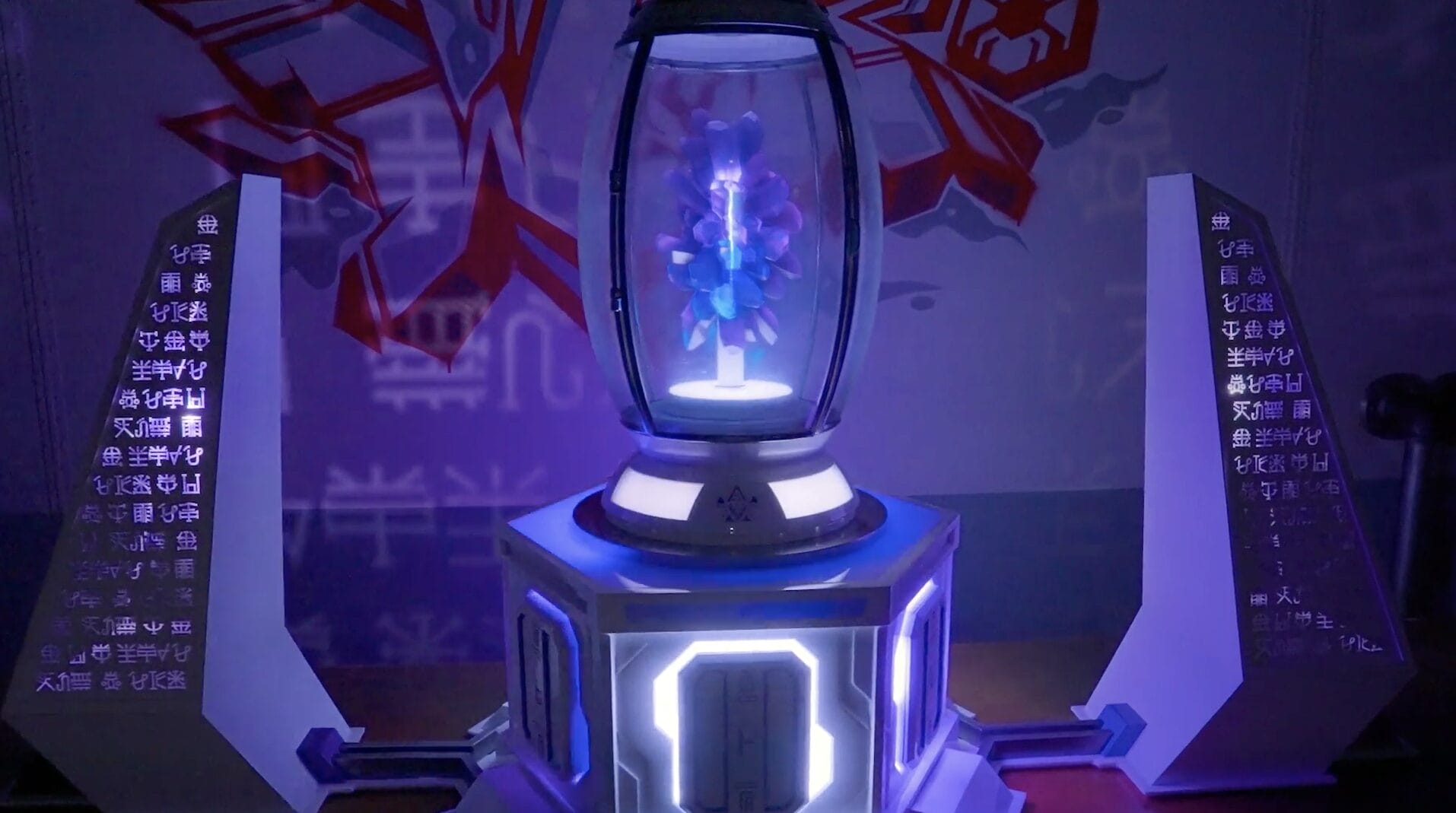
In the Marvel WEB Workshop, part of the youth Oceaneer Club, young guests can participate in a unique Black Panther story. A one-of-a-kind activator is part of the experience. Guests search the room for boxes with crystals, which they then put together inside the activator, which will launch a light show revealing glyphs on the walls.
The Lion King: Celebration in the Sky Fireworks
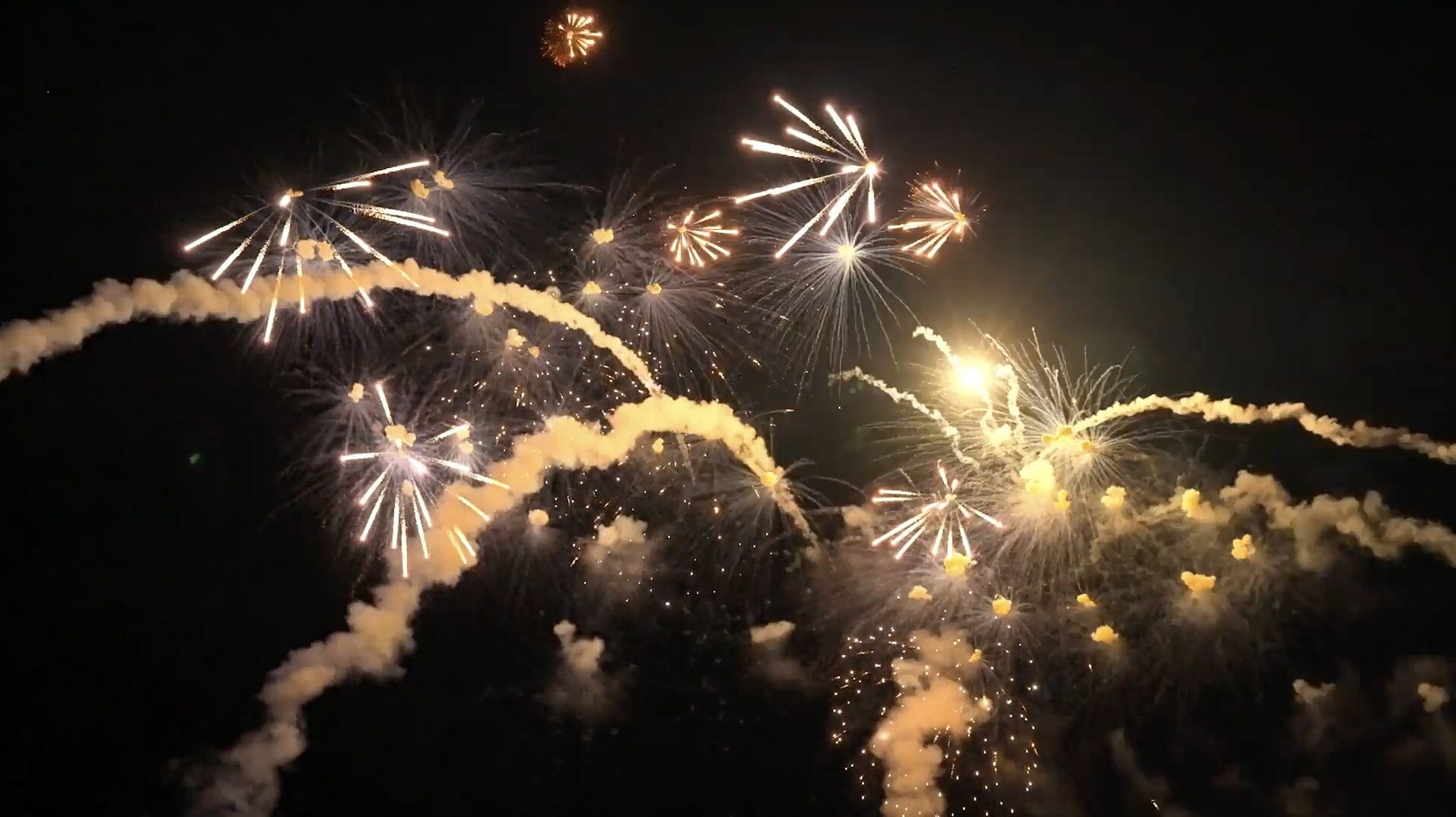
Disney Cruise Line is the only cruise line to regularly offer fireworks at sea. Every ship, including the Adventure, has a fireworks show performed once per sailing. The Adventure’s unique show is based on The Lion King. The Lion King: Celebration in the Sky is one of the only times Disney has chosen just one story to focus on in a fireworks show.
The other ships on the fleet have approximately 3-minute shows. The Lion King: Celebration in the Sky is about 12 minutes and launches more fireworks than any of the others.
Though weather can affect the performance of a fireworks show on Disney Cruise Line, there is more leeway than at a Disney park. A ship can literally sail away from bad weather or turn depending on the wind.
If you’re thinking of booking a cruise on one of Disney Cruise Line’s new ships, why not contact our official travel agent, Be Our Guest Vacations, and let them handle the entire booking process for you!
For the latest Disney Parks news and info, follow WDW News Today on Twitter, Facebook, and Instagram.