In honor of Earth Month, Disney shared how they are helping pollinators like bees and butterflies around the world as part of their Disney Planet Possible commitment.
Local Students Create Pollinator Habitats for Cotino
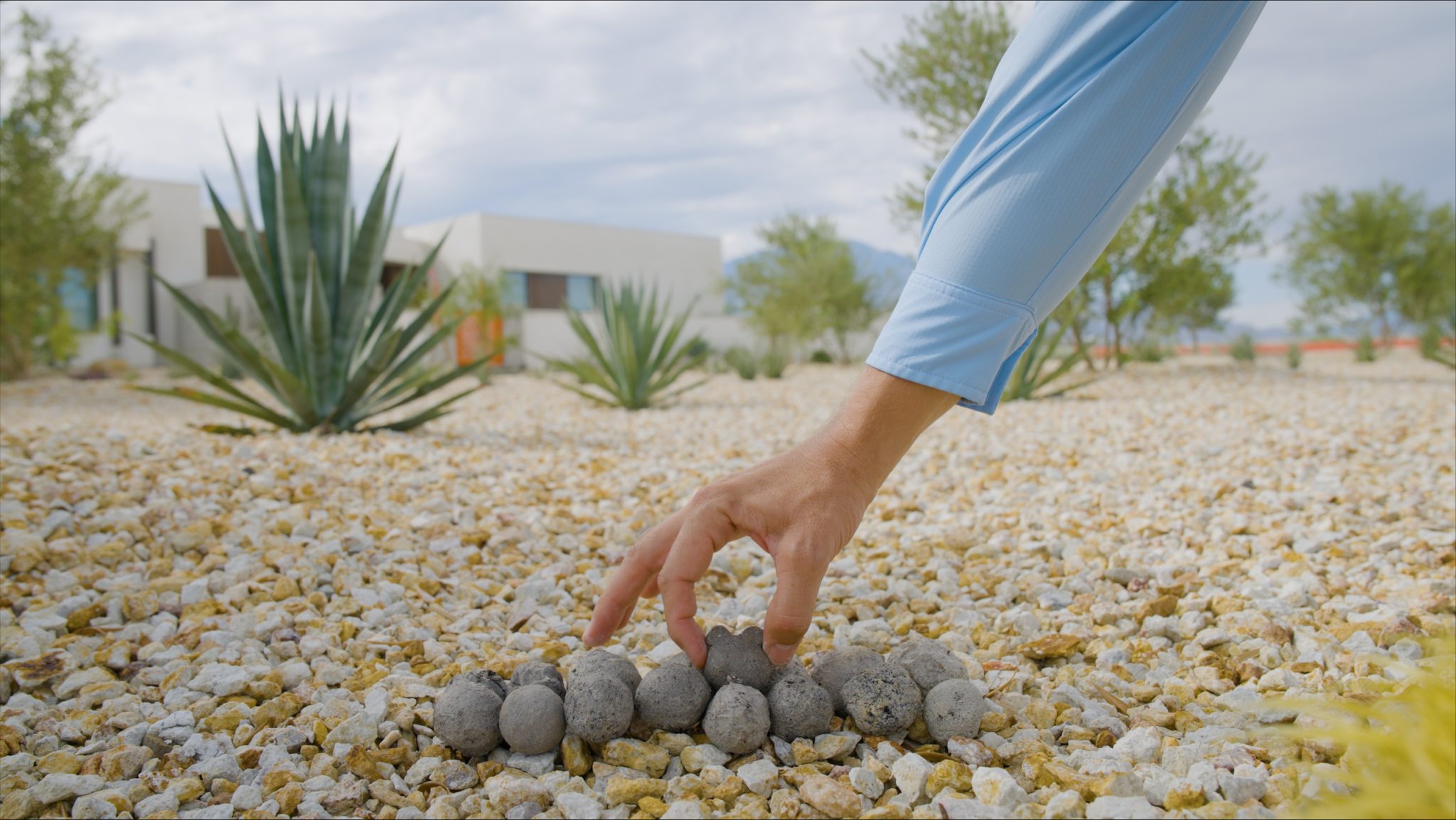
Through a collaboration between The Living Desert Zoo and Gardens and Cotino, the first Storyliving by Disney residential community, local high school students in the zoo’s Desert Defender Career Exploration Camp created 17 pollinator pods to support local wildlife.
The pods are small seed balls made from native plant seeds, clay, and compost. They were planted at Cotino by the students in a hands-on experience to support pollinators.
Disneyland Paris Apiaries and Honey
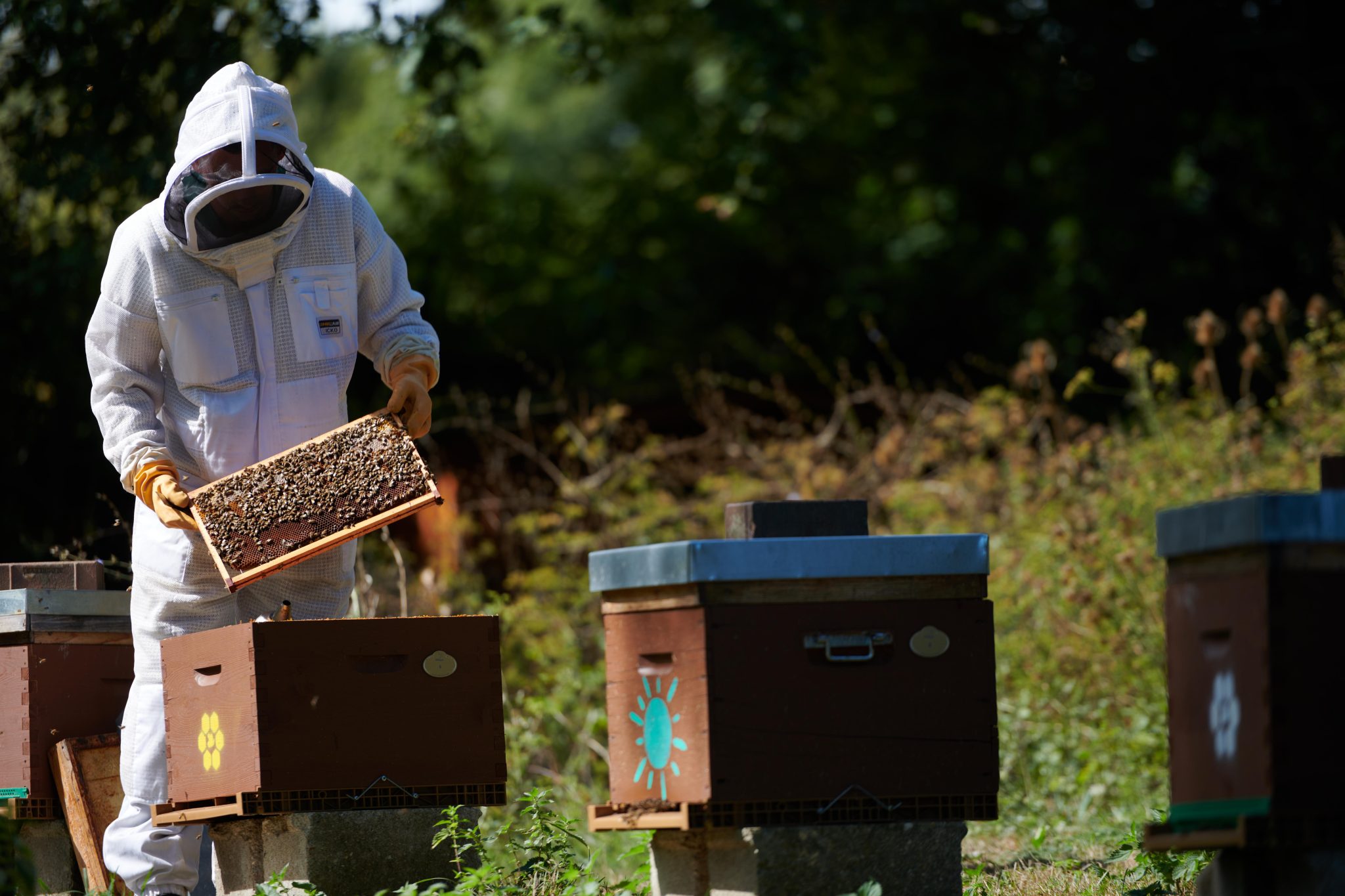
Disneyland Paris has hosted beehives since 2012. There are now 40 domestic beehives across the resort, reinforcing natural pollination and supporting local biodiversity. Nearly five acres of flower-filled meadows at the resort also serve as a refuge and food source for pollinators.
Disneyland Paris produces their own honey from an apiary at Davy Crockett Ranch and other locations. Only surplus honey is harvested, ensuring the bees still have plenty of food in the winter.
Local Honey at Disneyland Resort’s Napa Rose

Menu items at the recently reopened Napa Rose at Disneyland Resort uses locally sourced honey made by Southern California beekepers.
Wildflowers and Monarch Migration at Walt Disney World
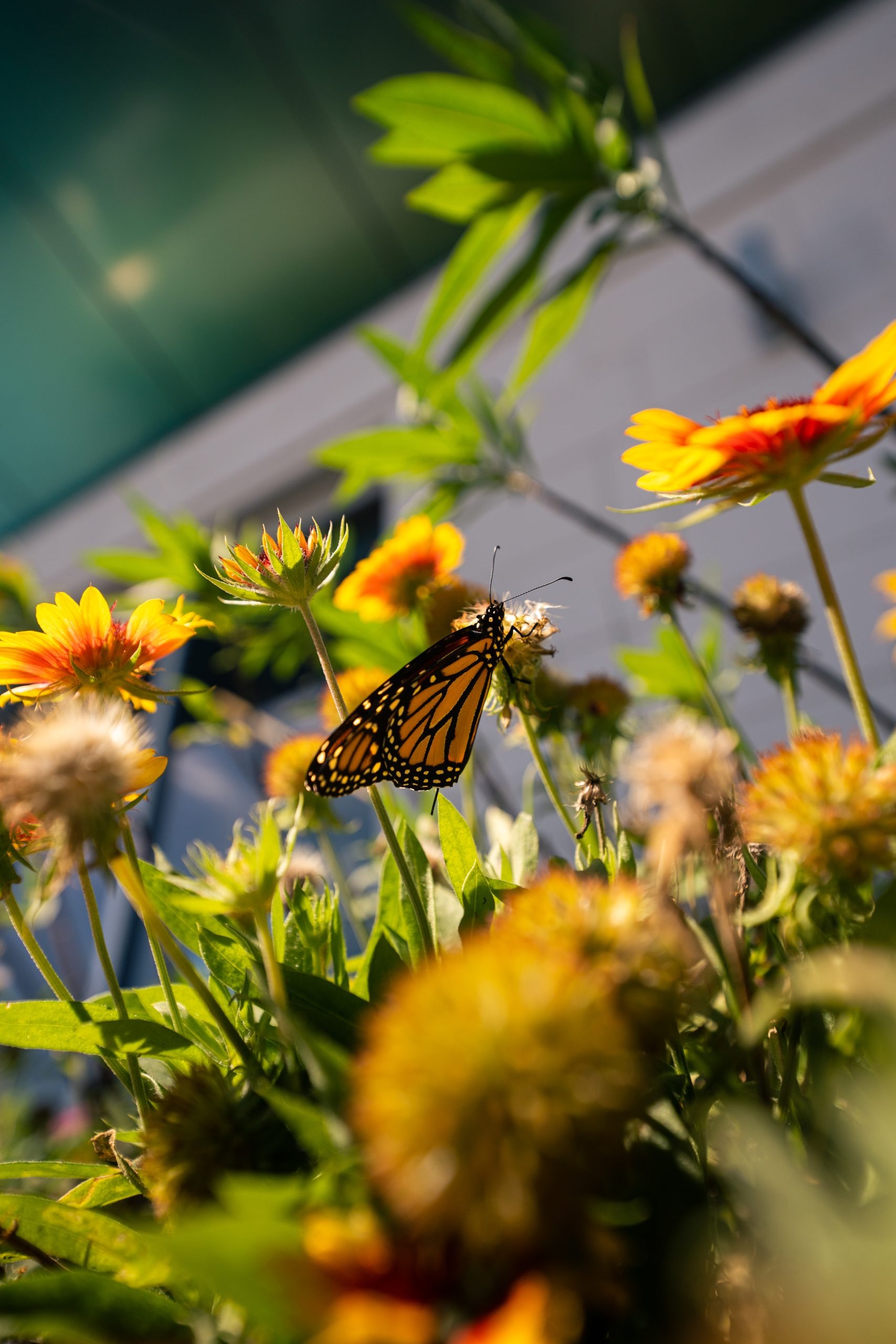
At Walt Disney World, the Disney Conservation team has led pollinator research and monitoring programs, helping scientists better understand butterfly and bee populations, migration patterns, and the health of ecosystems they call home.
Disney has added 14+ acres of wildflower meadow around solar arrays, created pollinator gardens with native milkweeds and flowering plants throughout parks and resorts, and tags monarch butterflies to track their movements.
As a founding member of the Florida Butterfly Monitoring Network, Disney Conservation has monitored butterflies in the conservation areas of Walt Disney World for over 20 years and published papers on the results. This long‑term research helps inform conservation strategies that protect pollinators around the world.
Through the Association of Zoos and Aquariums Saving Animals from Extinction program for North American monarch butterflies, Disney has also brought together more than 100 AZA institutions and collaborators to engage audiences, increase collaboration, and improve the species’ conservation status in North America.
Supporting Butterflies in our Backyards and Beyond
The Disney Conservation Fund has supported nonprofit organizations working with communities around the world to protect pollinators like birds, bees, butterflies, and bats.
This includes more than a decade of support toward University of Florida’s work to reverse the decline and aid the recovery of 45 at-risk butterfly species in Florida and California. The team has engaged over 40,000 people in conservation education and outreach programs, planted nearly 30,000 wildlife-friendly native plants to help restore habitats, reintroduced more than 47,000 captive-bred butterflies to the wild, and helped increase the population of critically endangered Schaus’ swallowtail butterflies in Florida from just four individuals in 2012 to more than 1,700 by 2021.
A recent grant from the Disney Conservation Fund will also support Monarch Joint Venture’s efforts to restore and connect 15 miles of monarch butterfly habitat across important migratory routes in California’s Bay Area and Central Valley over the next two years.
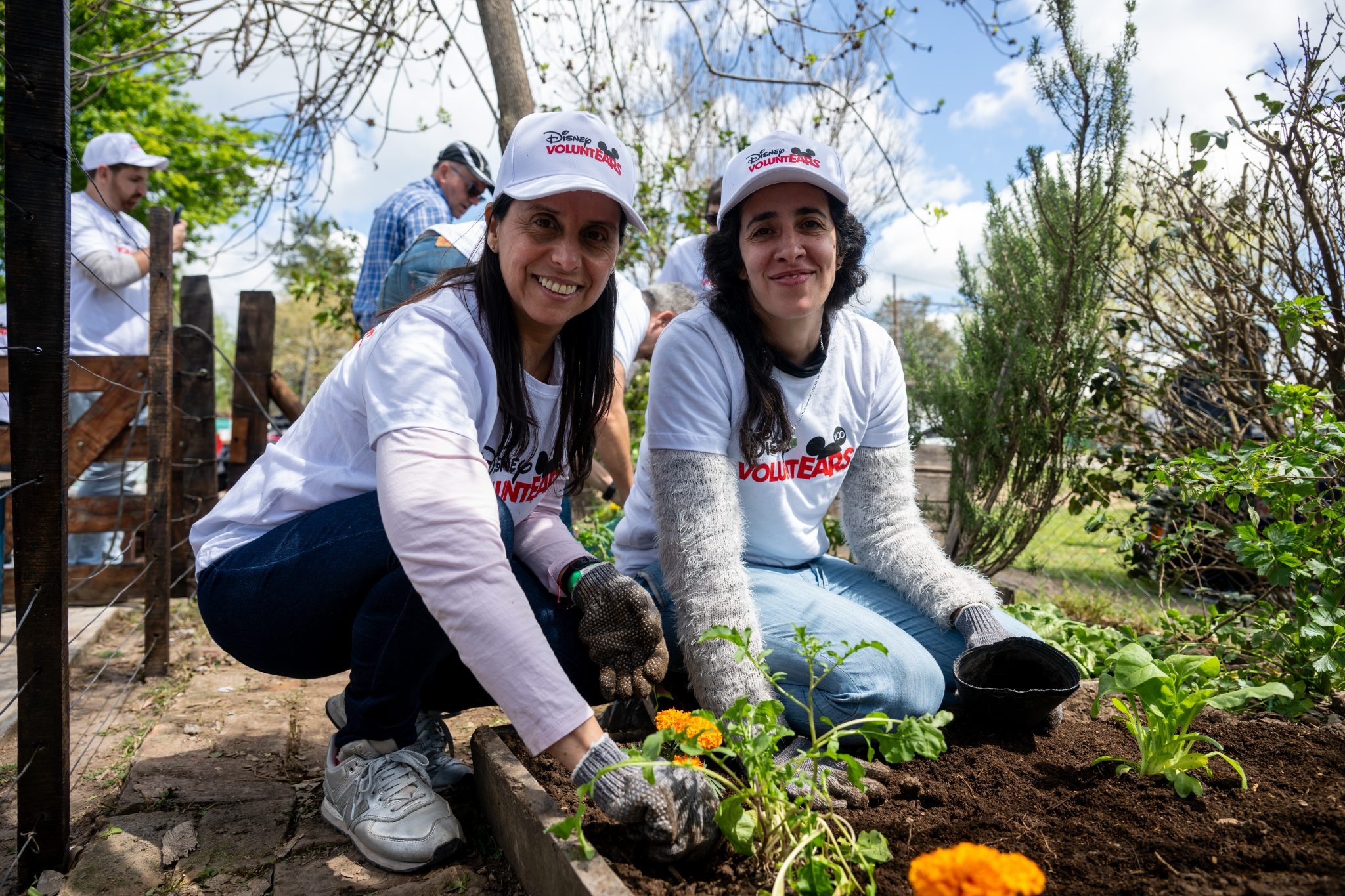
For the last five years, Disney VoluntEARS have helped support declining monarch butterfly populations by planting and caring for appropriate pollinator-friendly plants for their region, providing more than 7,000 hours of service.
Disney will continue to share conservation information counting down to Earth Day on April 22 and celebrating 30 years of the Disney Conservation Fund.
National Geographic’s Secrets of the Bees is now streaming on Disney+ and Hulu.
How are you celebrating Earth Month? Let us know on social media.
For the latest Disney Parks news and info, follow WDW News Today on Twitter, Facebook, and Instagram.