The recently patented system suggests that Disney may be looking to leverage machine learning in an effort that could streamline security checks and lessen ride dispatch times.
Disney Explores AI Systems to Verify Rider Safety

Disney has patented a new restraint-checking system that could eventually help operators load and dispatch ride vehicles more efficiently by using cameras, sensors, and machine learning to verify that guests are properly secured.
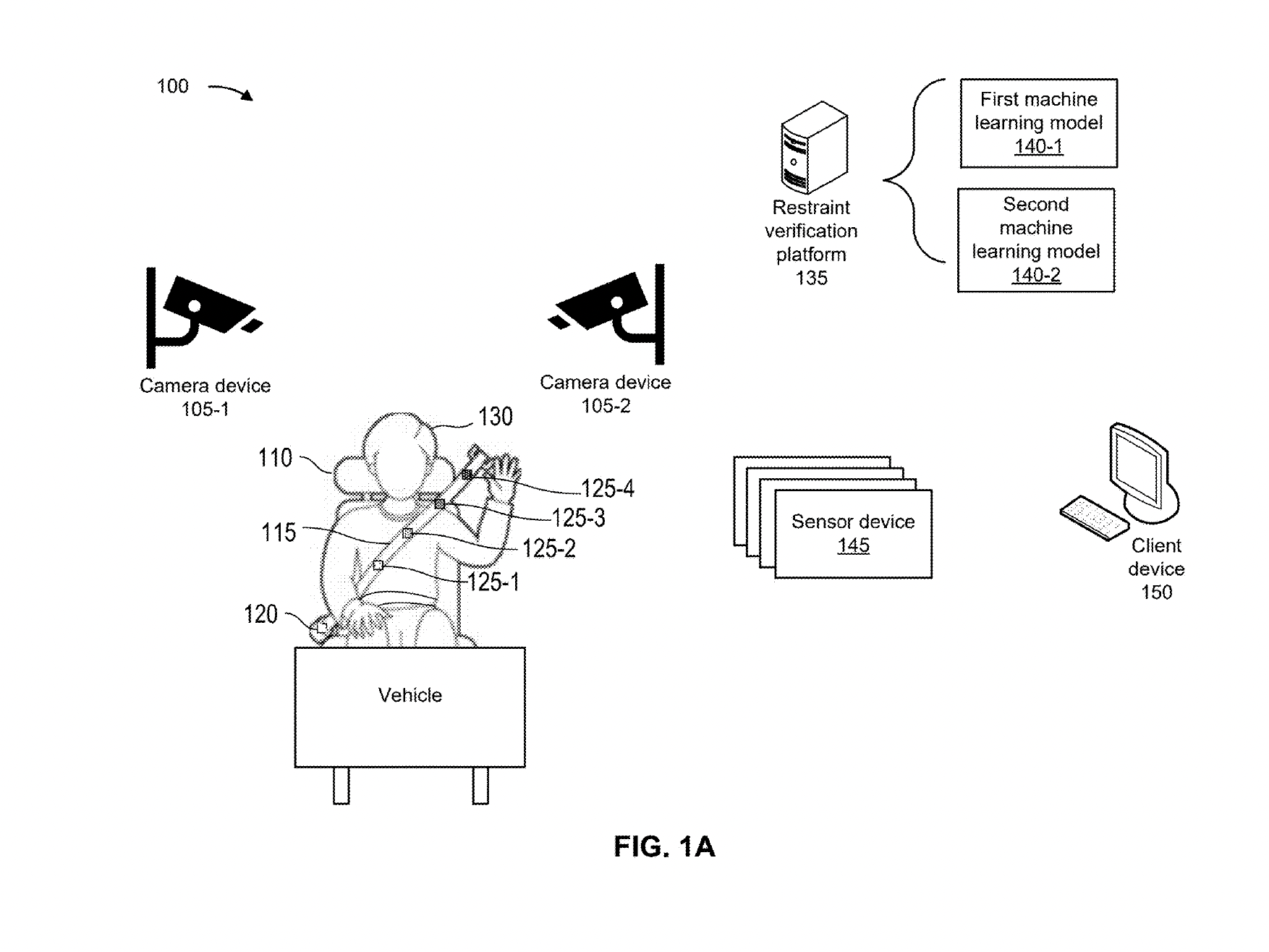
The core idea is an AI-powered “restraint verification platform” which consists of machine learning models collecting various data points, including live video and sensor feedback, to determine if riders are secured properly.
If the system determines that the restraint is not being used properly, it can trigger an action such as notifying an operator, preventing dispatch, or otherwise flagging the issue.
The system detailed by the patent aims to correct for errors that can occur during ride loading and operation, even with in-person verification from attendant Cast Members.
A restraint might be buckled but not actually positioned correctly; a rider might sit on a belt; the belt might be extended in a way that compromises the rider’s safety or comfort; a passenger could loosen, unbuckle, or move out of a safe position after an initial check.
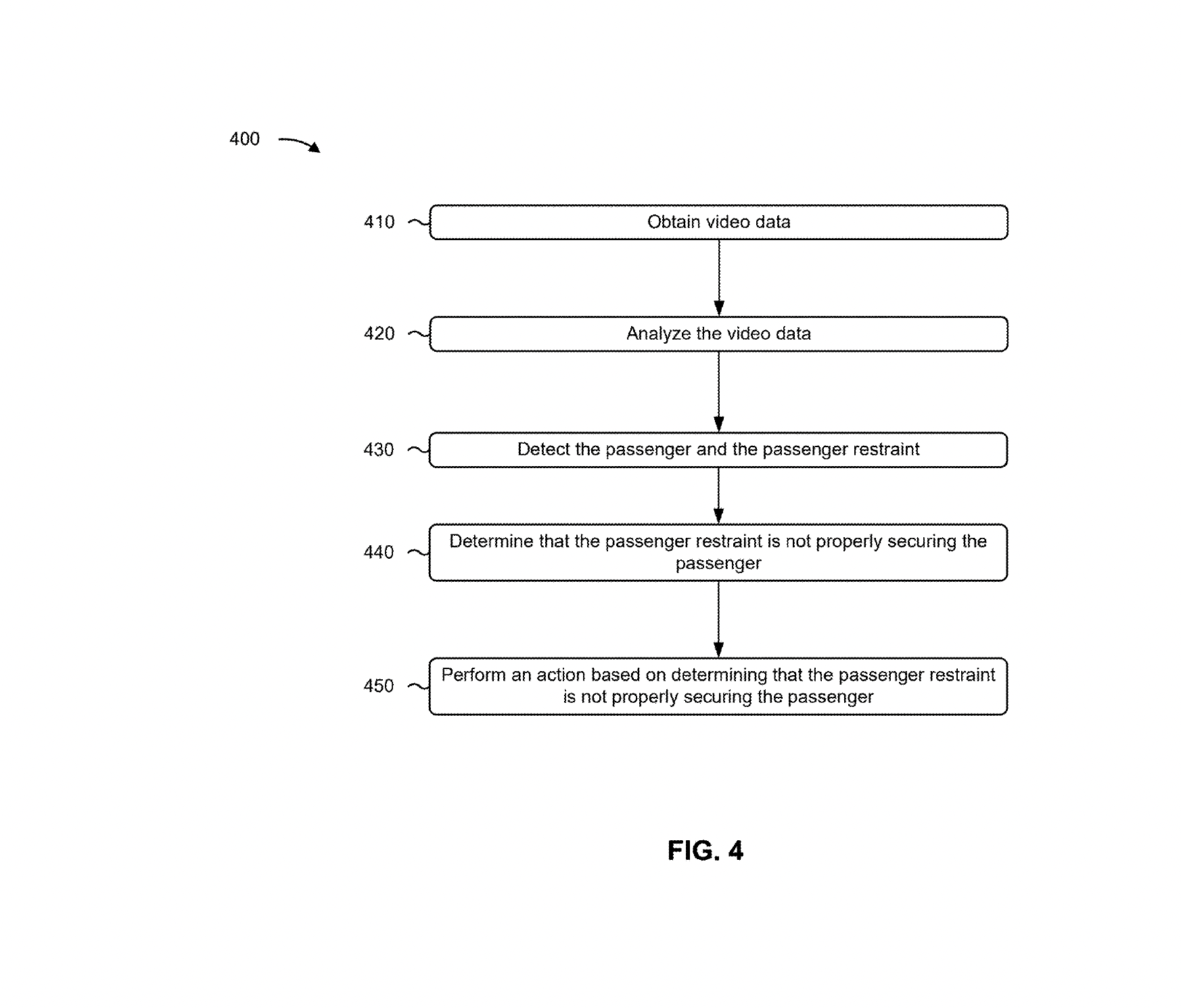
This system is designed to catch those situations by combining visual analysis with sensor data.
The restraint verification platform is also not limited to one type of restraint. Multiple forms of restraints, including seat belts, shoulder straps, lap bars, belt buckles, vests, and “other examples” are cited in the patent. This suggests the verification process could seamlessly work with different formats of attractions, such as coasters, dark rides, tower rides, and others.
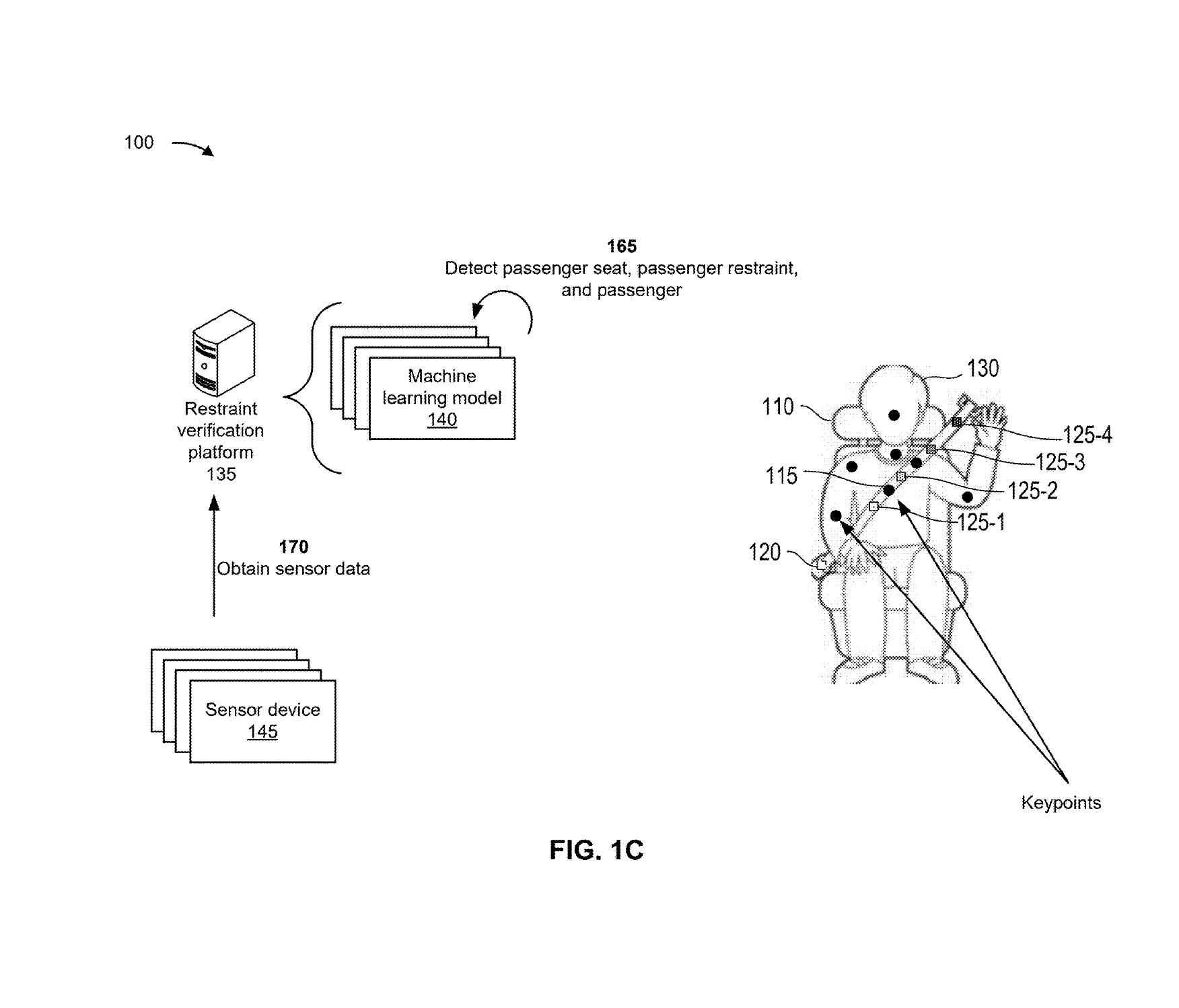
Critically, the platform does not rely on one signal alone. The patent describes that the verification process could involve:
- Camera devices positioned around the passenger or ride vehicle;
- Machine-learning models trained to detect people, body parts, seats, belts, buckles, visible belt length, and restraint position;
- Sensor devices such as seat sensors, clasp sensors, proximity sensors, rotary encoders, microphones, RFID devices, LIDAR, or other sensing hardware;
- Rotary encoder data to determine how far a belt or restraint has been extended;
- Comparison logic to determine whether the restraint data matches what is visible in the video.
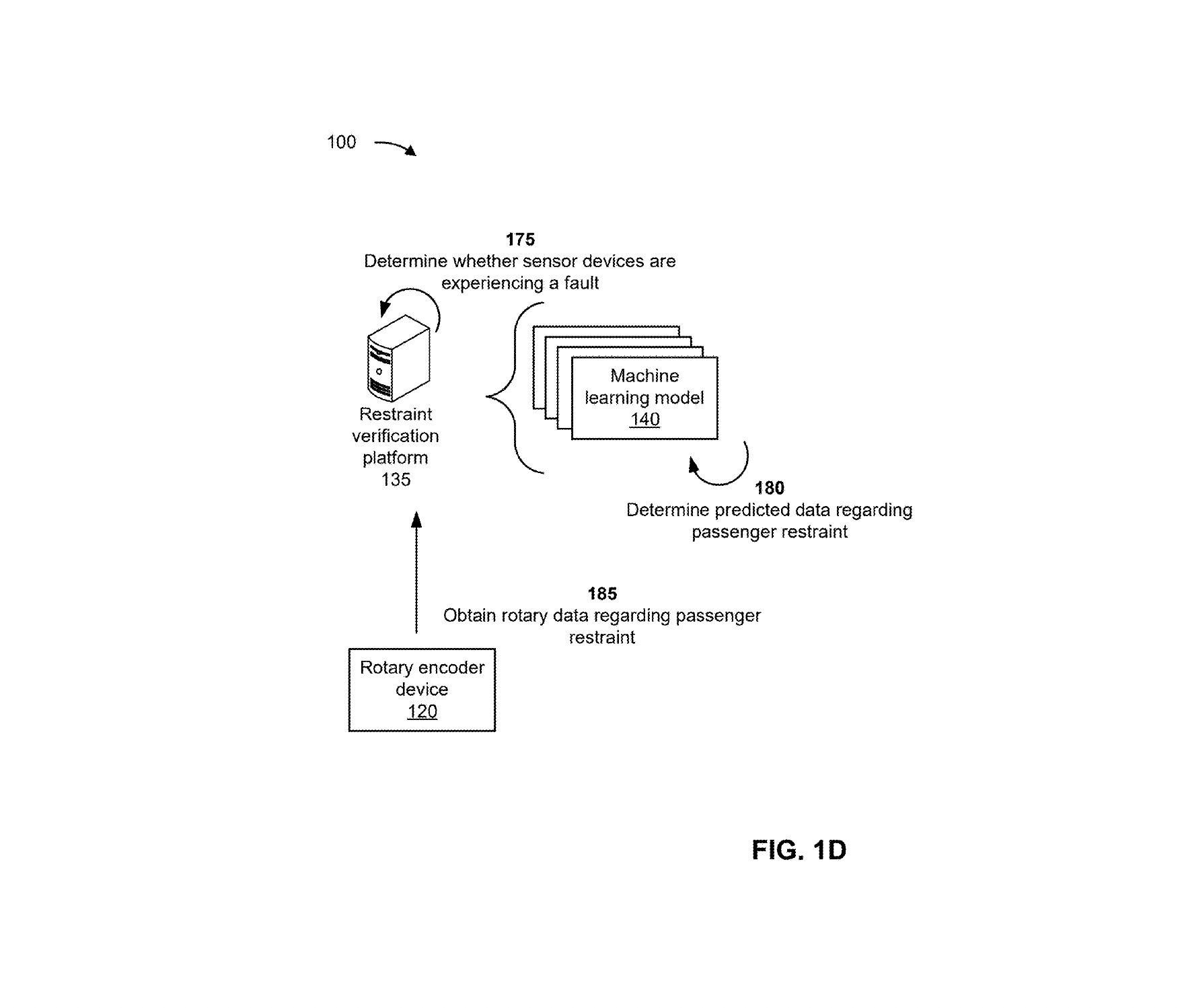
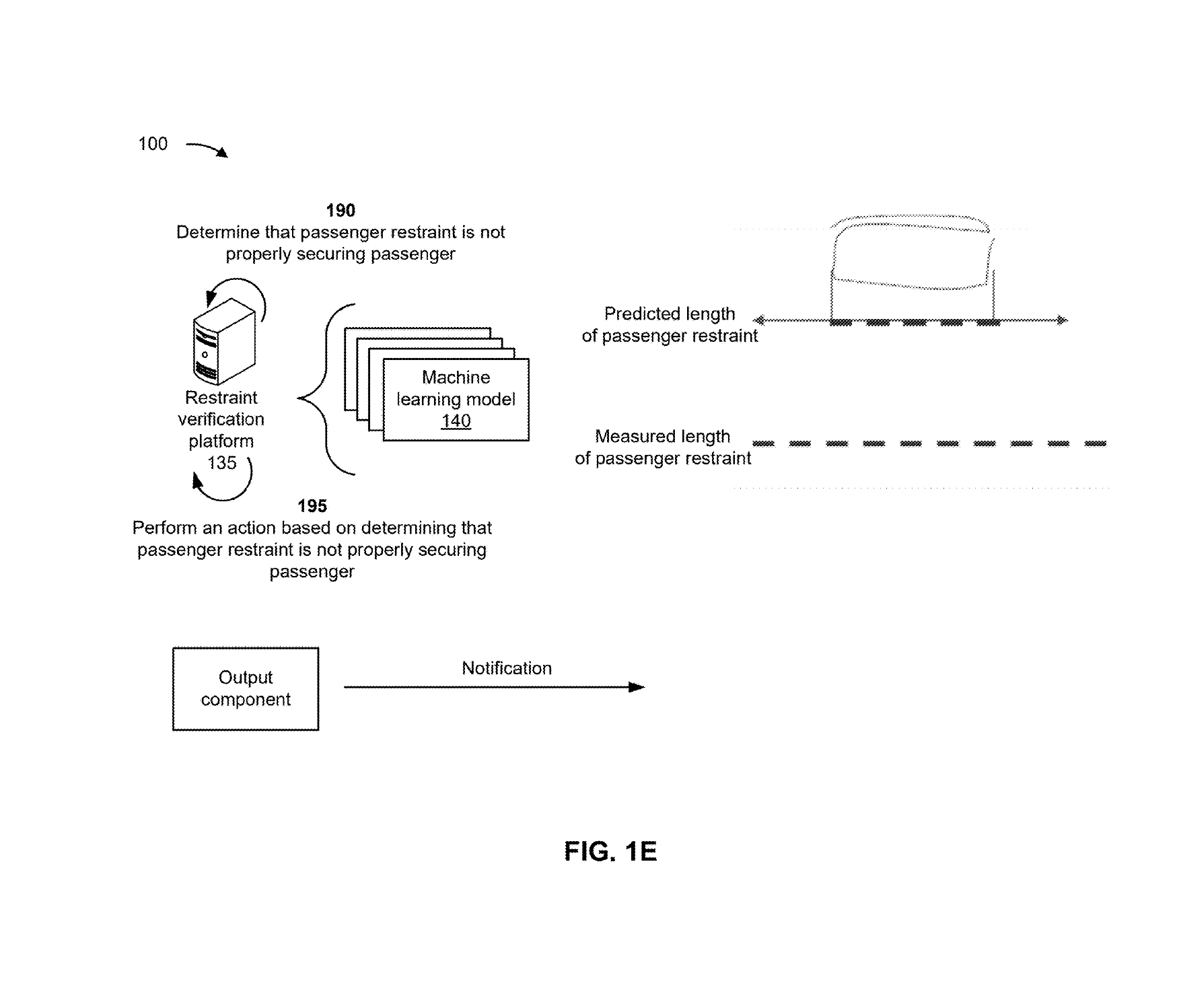
One example described in the patent involves comparing a predicted visible length of a passenger restraint from camera footage with a measured length from a sensor or rotary encoder. If the two values do not align, the system may determine that the restraint is not properly securing the rider. For instance, if the belt is extended far more than what appears visible across the passenger, the rider may be sitting on part of the belt or using it improperly.
The system’s purpose appears to be twofold: improve safety oversight and reduce the time required for manual restraint checks.
While the design is not tied to any singular attraction, it broadly states that the technology could apply to most amusement park ride vehicles and other guest-moving systems.
As always, a Disney patent does not guarantee that the technology will be installed in the parks. However, the filing does suggest that Disney may be exploring automated tools to support ride operators, improve restraint verification, and potentially reduce delays during the loading process.
If the design comes to fruition, this could be the earliest hint we have at future AI integration in Disney parks.
What are your thoughts on the prospect of Disney using video data of you to train AI models? Do you have any concerns about this idea, or would you feel comfortable with this system assuming it really would help ride safety and capacity? Join the discussion with us on social media.
For the latest Disney Parks news and info, follow WDW News Today on Twitter, Facebook, and Instagram.